
How Can Women Reduce Belly Fat?

To reduce belly fat, women need sustainable overall fat loss: build meals around protein- and fiber-rich foods, create a manageable calorie deficit, combine strength training with aerobic activity, move regularly, sleep enough, and track longer-term trends. Ab exercises strengthen the core but cannot reliably target belly fat. Genetics shape fat distribution, so a lower-belly pouch may remain even with healthy habits.
How can a woman lose lower belly fat fast?
A woman can reduce lower-belly fat through steady overall fat loss, not a quick fix aimed at one body area. The Centers for Disease Control and Prevention (CDC) says people losing about 1 to 2 pounds per week are more likely to keep the weight off than people losing it faster (CDC, 2024). The CDC also warns against unrealistic targets such as losing 20 pounds in two weeks.
Seven practical steps make the process clearer:
- Create a manageable calorie deficit. Choose eating changes that can be sustained, rather than severe short-term restriction. The research provided does not specify a calorie target, so a universal daily number cannot be supported here.
- Build meals around protein and fiber. Include protein-rich foods and fiber-rich foods in meals so the plan has structure and variety. The provided sources do not set specific food amounts.
- Strength-train the whole body. The CDC recommends muscle-strengthening activity on at least two days per week, working all major muscle groups, including the abdomen (CDC, 2024).
- Add aerobic activity. Adults need at least 150 minutes a week of moderate-intensity activity, or 75 minutes of vigorous activity, or an equivalent combination, according to the CDC (CDC, 2024).
- Build in daily movement. Walking and other regular movement can help make activity part of the week. The CDC notes the aerobic target can be split into shorter sessions, such as 30 minutes a day on five days (CDC, 2024).
- Protect sleep and manage stress. The CDC names enough sleep and stress management alongside healthy eating and physical activity as parts of a healthy weight-loss lifestyle (CDC, 2024).
- Stay consistent and track trends. Use repeatable habits and review progress over weeks rather than judging a single weigh-in.
The CDC says a 5% reduction in body weight can improve health; for a person weighing 200 pounds, that equals 10 pounds (CDC, 2024). This is a health benchmark, not a promise about where fat will come off first. For a practical meal-planning companion, see What Is a One Month Diet Plan to Reduce Belly Fat?
What kills belly fat naturally?
No food, drink, or exercise selectively kills belly fat. A sustainable pattern that supports overall fat loss is the evidence-informed approach in the sources provided: healthy eating, regular movement, enough sleep, and stress management.
Abdominal exercises have a role, but a different one. They strengthen the core; they do not reliably direct fat loss to the stomach. In a randomized trial, 40 overweight or obese women followed diet alone or diet plus abdominal resistance training for 12 weeks. Both groups reduced weight and abdominal measures, but the groups did not differ significantly; the researchers concluded that adding abdominal resistance training did not reduce abdominal subcutaneous fat more than diet alone (Kordi et al., 2015).
That distinction helps set expectations. Include core work as part of strength training if it fits the routine, while treating fat loss as a whole-body process. This guide to losing tummy fat without spot-reduction claims covers the same principle.
How can I lose 20 pounds of belly fat?
You cannot choose to lose 20 pounds from the belly alone; a 20-pound goal refers to total body weight loss, and the body determines how fat loss is distributed. The CDC advises setting specific, achievable goals and cautions against trying to lose 20 pounds in two weeks (CDC, 2024).
The CDC's gradual pace of about 1 to 2 pounds per week is a broad guide to sustainable weight loss, not a deadline or guarantee (CDC, 2024). Progress varies, and the sources provided do not establish how long a particular person would need to lose 20 pounds or how much of that loss would come from the abdomen.
Track more than weight. A waist measurement taken consistently, how clothes fit, and the direction of measurements over time can show changes that a daily scale reading obscures. Use the same measurement method and compare readings at regular intervals; normal short-term variation is not a verdict on the plan.
Body shape also affects what changes look like. The National Heart, Lung, and Blood Institute (NHLBI) describes research involving more than 18,000 people across several ancestry groups and reports genetic regions associated with body-fat distribution. The NHLBI notes that body shape can run in families and genes can influence where fat accumulates (NHLBI, 2016).
Will my belly pooch ever go away?
A belly pooch can shrink with overall fat loss, but it may not disappear, because bodies store fat differently. Genetics influence distribution, and the NHLBI distinguishes visceral fat in the abdomen from subcutaneous fat around areas such as the hips and thighs (NHLBI, 2016). A remaining softness is not proof that a person has failed or that a particular exercise is missing.
Abdominal size can also change for reasons other than fat. The National Institute of Diabetes and Digestive and Kidney Diseases (NIDDK) defines bloating as a feeling of fullness or swelling and distention as visible abdominal enlargement. Only about half of people with bloating also have distention, according to NIDDK.
Gas can be normal, particularly during or after meals. Swallowed air and bacteria breaking down undigested carbohydrates are common sources, NIDDK explains. If abdominal symptoms are bothersome, change suddenly, or come with pain, constipation, diarrhea, or weight loss, NIDDK advises discussing them with a doctor. A sudden or persistent change deserves attention as a symptom, not an automatic fat-loss problem.
For progress, compare longer-term waist measurements and clothing fit alongside weight. A single day's appearance or scale reading cannot tell whether body fat has changed. Sustainable habits are the part you can shape; genetics and the exact order of fat loss are not.
Frequently Asked Questions
Can exercises reduce fat only around a woman's stomach?
No exercise reliably chooses where body fat comes off. Abdominal exercises strengthen the core, but a randomized trial found that adding abdominal resistance training to diet did not reduce abdominal subcutaneous fat more than diet alone.
How long does it usually take for belly fat to change?
There is no fixed timetable for visible change because fat distribution and individual progress differ. The CDC says gradual weight loss of about 1 to 2 pounds per week is more likely to be maintained than faster loss (CDC, 2024); waist and clothing trends over time are more useful than day-to-day scale shifts.
How can I tell whether my belly looks larger from fat or bloating?
Bloating is a feeling of fullness or swelling, while distention is visible abdominal enlargement; NIDDK says only about half of people with bloating also have distention. Gas can occur during or after meals, but discuss bothersome or sudden changes, or symptoms with pain, constipation, diarrhea, or weight loss, with a doctor.
Sources
- Centers for Disease Control and Prevention, Losing Weight
- Centers for Disease Control and Prevention, Physical Activity Basics
- Kordi et al., Journal of Manipulative and Physiological Therapeutics
- National Heart, Lung, and Blood Institute, Genetic Links to Body-Fat Distribution
- National Institute of Diabetes and Digestive and Kidney Diseases, Gas in the Digestive Tract
Disclaimer: This article is for general information only and is not medical advice. It is not a substitute for diagnosis or treatment by a qualified healthcare professional. Always speak to your doctor before acting on anything you read here.
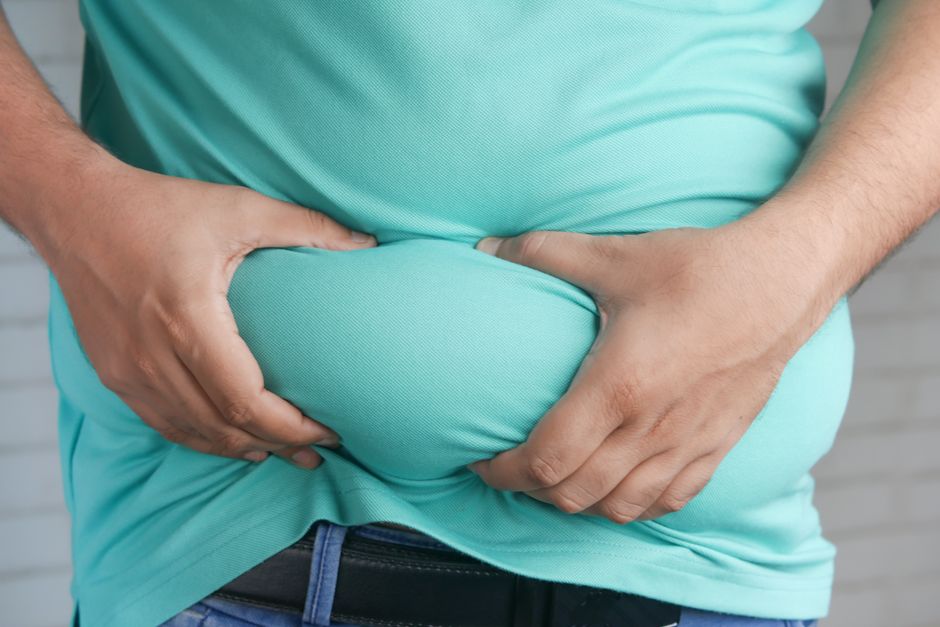
Which Reduce Belly Fat Exercises Work Best at Home?
Repeatable cardio and strength work support overall fat loss; core exercises strengthen abs but do not selectively burn belly fat.

What Is a One Month Diet Plan to Reduce Belly Fat?
A one-month diet plan can support gradual overall fat loss with balanced meals, but it cannot target belly fat alone.
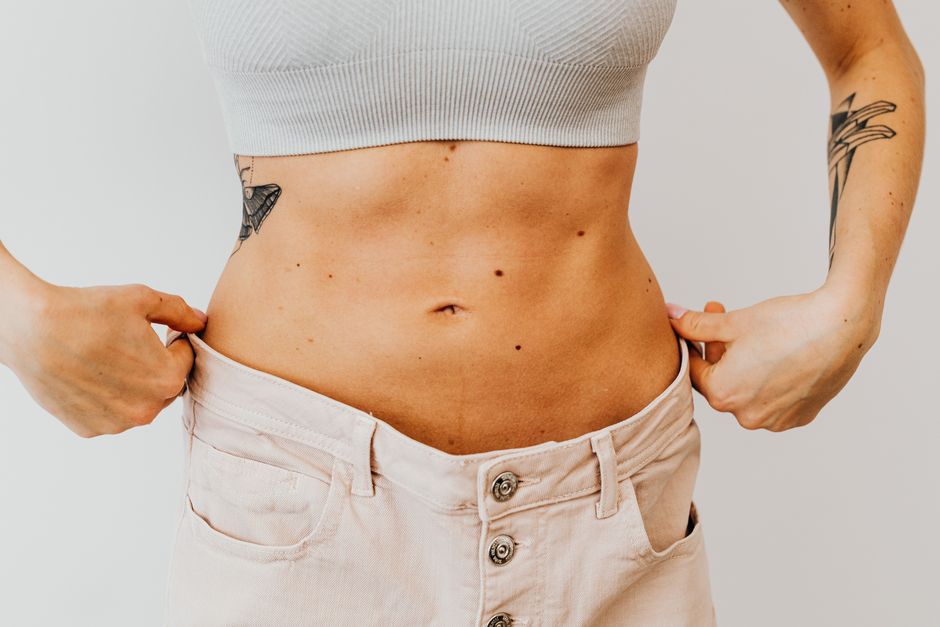
How to Lose Stubborn Belly Fat: What Works?
Lose stubborn belly fat through gradual overall fat loss with sustainable eating, regular activity, strength training, and consistent progress tracking.

How Can I Build Stronger, More Muscular Legs?
Build stronger legs with progressive exercises, home-friendly options, and ways to adapt training when equipment or knee comfort is limited.