
What Is a One Month Diet Plan to Reduce Belly Fat?

A one month diet plan to reduce belly fat should use repeatable, balanced meals and portions that create a modest calorie deficit, not extreme restriction. Build meals around vegetables or fruit, a protein food, and a satisfying high-fiber carbohydrate, then adjust portions using hunger, serving sizes, and progress. Gradual weight loss is more sustainable, and no diet can direct fat loss to the belly alone.
What can I eat each day on a one-month diet plan to reduce belly fat?
Eat a mix of vegetables or fruit, protein foods, and grain or other carbohydrate foods each day, adjusting portions to your needs. A useful plan repeats a few easy meal patterns rather than requiring a new recipe for every meal.
The CDC says calorie needs depend on age, sex, height, weight, and physical activity. Counting every calorie is not required, but checking serving sizes and keeping a food and beverage diary can reveal where a small, sustainable change fits. The CDC also favors a varied eating pattern over eliminating a whole food type, such as carbohydrates.
Use this four-week framework as a rotation. Choose one option from each meal row and vary the ingredients to suit your taste and budget. The options are examples, not prescribed serving sizes.
| Meal | Mix-and-match options |
|---|---|
| Breakfast | Oats with fruit and nuts or seeds; eggs with vegetables and whole-grain toast; plain yogurt with fruit and oats. |
| Lunch | Lentil or bean soup with vegetables; chickpeas over grains and greens; tofu or egg with vegetables in a wrap. |
| Dinner | Beans, peas, lentils, tofu, eggs, or another preferred protein with vegetables and rice, potatoes, or another grain. |
| Snack, if hungry | Fruit with peanut butter; yogurt; a small portion of nuts or seeds; hummus with vegetables. |
In week one, choose simple meals and note usual portions. In week two, add a vegetable or fruit to meals that lack one. In week three, swap a less filling snack or meal component for a protein- and fiber-rich option. In week four, repeat the meals that were easiest to shop for and prepare. This sequence makes the plan easier to sustain than a strict menu that relies on costly or unfamiliar foods.
USDA MyPlate lists beans, peas, and lentils as sources of plant protein and fiber, as well as folate, potassium, iron, and zinc. These staples work in soups, bowls, salads, and wraps. MyPlate also lists eggs, soy foods, nuts, and seeds among protein choices; individual protein needs vary.
For movement alongside meals, the CDC advises adults to get at least 150 minutes of moderate-intensity aerobic activity each week and muscle-strengthening activity on at least two days. Activity supports a broader health routine; it does not turn a specific meal into a belly-fat treatment.
How much belly fat can I realistically lose in 30 days?
No one can promise a particular amount of belly-fat loss in 30 days; weight change varies, and fat does not come off one chosen area on demand. The CDC describes gradual loss of about 1–2 pounds per week as more likely to be maintained than faster loss, but that general pace is not a personal forecast or a guarantee for four weeks.
Scale weight can shift over short periods without representing the same amount of body-fat change. A single weigh-in therefore cannot show the whole trend. If tracking is useful, compare measurements under similar conditions and look for patterns over time rather than treating one day as a verdict.
Waist size is another measure, though it also needs consistent technique. The National Heart, Lung, and Blood Institute explains that the tape should sit just above the hipbones, with the measurement taken after breathing out. The same institute says health professionals recommend losing 5%–10% of initial weight over about six months for people diagnosed with overweight or obesity; this is a longer-term clinical recommendation, not a one-month target.
Health conditions, medicines, age, sleep, and stress can affect weight management. The CDC recommends tracking nutrition, physical activity, sleep, and stress to identify practical changes. Anyone with a medical condition, a history of disordered eating, or medication-related concerns should get individualized guidance from a qualified health professional before making major changes.
Can a diet target belly fat, or does fat loss happen across the body?
A diet cannot choose where fat comes off; when body fat decreases, the change occurs across the body rather than only at the waist. Where change is visible first differs from person to person, so a belt notch or a specific exercise cannot promise a localized result.
A randomized study published in the Journal of Strength and Conditioning Research followed 24 sedentary adults aged 18–40. Participants in the exercise group performed seven abdominal exercises for two sets of 10 repetitions, five days a week, for six weeks while maintaining an isocaloric diet. Abdominal exercise alone did not significantly change body weight, body-fat percentage, abdominal fat measures, or abdominal circumference compared with the control group. Curl-up performance did improve, showing that local exercise can build muscular endurance without proving local fat loss.
That distinction helps set expectations: train the abdominal muscles for strength if that is a goal, and use the eating plan and overall activity pattern to support general fat loss. A smaller waist can reflect changes in body fat over time, while short-term changes in bloating or scale weight are not proof that belly fat has been specifically reduced.
After the four weeks, keep the meals and portions that were practical. Continue a varied eating pattern, regular activity, and occasional tracking if it helps identify habits. A plan that can be repeated is more useful than a short period of strict rules followed by a return to old routines.
Frequently Asked Questions
How do I set portions or calories without undereating?
Calorie needs vary with age, sex, height, weight, and activity, so a single calorie target does not fit everyone. Start with balanced meals, check serving sizes, and keep a brief food and beverage diary if it helps you see patterns. Avoid extreme restriction; seek individualized advice if a health condition or medication affects eating or weight.
What are filling meal and snack options if I’m vegetarian or on a budget?
Beans, peas, lentils, chickpeas, and edamame provide plant protein and fiber, according to USDA MyPlate. Pair them with vegetables and a grain for meals such as lentil soup, bean bowls, or chickpea wraps. Eggs, tofu, peanut butter, and nuts or seeds are other MyPlate protein options.
What should I do if I get hungry or miss a day of the plan?
If hunger persists, add a planned snack or increase a meal portion with a protein food, fruit, vegetables, or a high-fiber carbohydrate rather than skipping the next meal. A missed day does not require compensation; return to the usual meal pattern at the next meal. Track patterns such as sleep, stress, and activity to identify changes that are practical to maintain.
Sources
- Centers for Disease Control and Prevention: Losing Weight
- Centers for Disease Control and Prevention: Tips for Balancing Food and Activity
- National Heart, Lung, and Blood Institute: Aim for a Healthy Weight
- Vispute et al., Journal of Strength and Conditioning Research
- USDA MyPlate: Beans, Peas, and Lentils
- USDA MyPlate: Protein Foods

How to Lose Stubborn Belly Fat: What Works?
Lose stubborn belly fat through gradual overall fat loss with sustainable eating, regular activity, strength training, and consistent progress tracking.
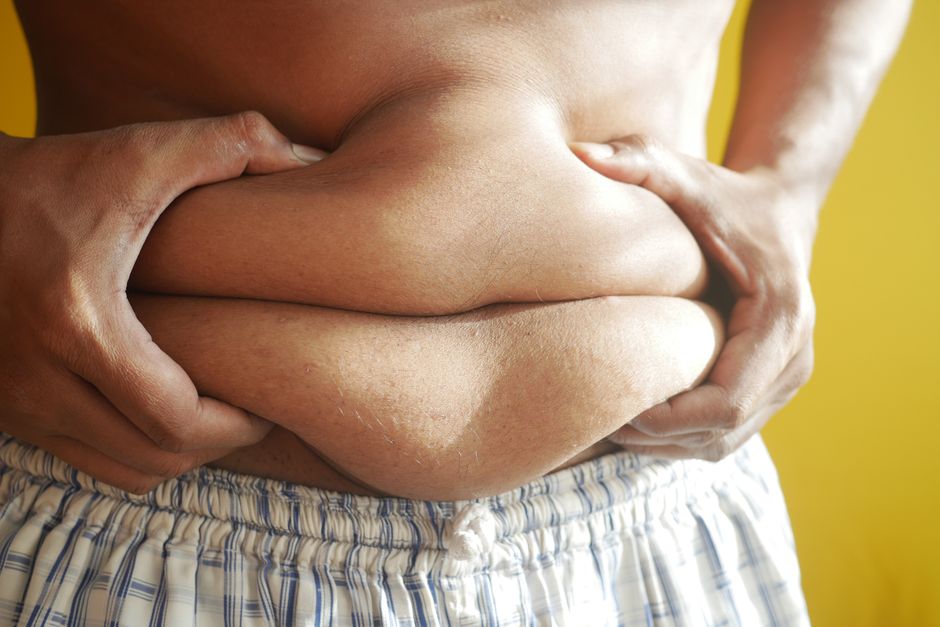
How to Lose Tummy Fat Without Spot-Reduction Claims
Lose tummy fat through sustainable overall fat loss, regular aerobic activity, and strength training—not abdominal exercises alone.
Are Protein Shakes a Good Idea for Seniors Who Do Not Eat Much?
How protein drinks, smoothies, and soft foods can support older adults with low appetite—and when fullness, weight loss, or kidney disease calls for care.

Should Adults Over 70 Get Tested for Vitamin B12?
Learn how age, diet, medicines, and symptoms can shape whether adults over 70 discuss B12 testing or supplementation with a healthcare professional.