
How to Lose Tummy Fat Without Spot-Reduction Claims
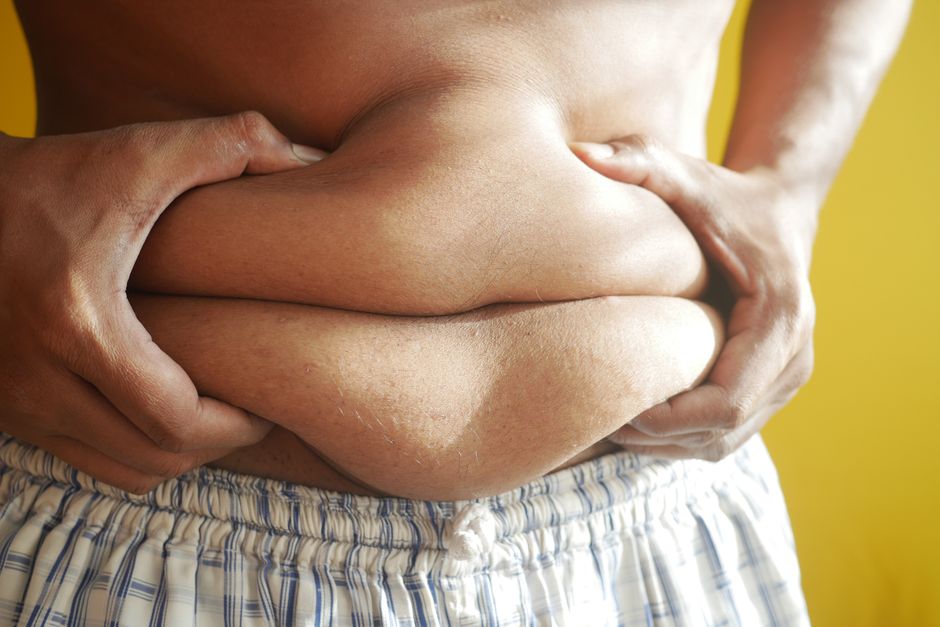
To lose tummy fat, focus on gradual overall fat loss through an eating pattern you can maintain, regular aerobic activity, and strength training. Sit-ups and crunches can build abdominal endurance, but they do not selectively remove fat from your stomach. Track progress over time, expect changes to vary, and seek medical advice if abdominal swelling comes with concerning symptoms.
Can I lose tummy fat by doing sit-ups or crunches?
No. Sit-ups and crunches strengthen abdominal muscles, but they do not make the body draw fat specifically from the area being exercised.
A randomized study of 24 healthy, sedentary adults aged 18–40 tested abdominal exercises five days a week for six weeks. The program improved curl-up performance, but did not significantly change body weight, body-fat percentage, abdominal fat, abdominal circumference, or skinfold measurements. The study published on PubMed shows the distinction: stronger abdominal muscles are a real result, but targeted belly-fat loss is not.
Keep core work if it is part of a balanced routine. Treat it as strength training, not as a substitute for the habits that support overall fat loss. The waist changes as overall body fat changes; a set of crunches cannot choose where that change happens.
What should I eat to lose belly fat?
Choose an eating pattern that reduces calories from food and drinks while remaining practical enough to maintain over time. That is the central advice from the National Institute of Diabetes and Digestive and Kidney Diseases.
Build meals around vegetables, whole fruit, whole grains, and protein foods such as seafood, beans, eggs, nuts, and lean meats. This gives the plan a useful structure without requiring special products or a short-term ban on whole food groups. Choose portions and combinations you can repeat in ordinary weeks, not only during a brief burst of motivation.
NIDDK cites Dietary Guidelines that recommend limiting added sugars and saturated fat to less than 10% of daily calories each, and sodium to less than 2,300 milligrams per day. These are guideposts for the overall pattern, not a claim that one food directly burns abdominal fat.
Weight loss can slow as body weight falls because the body needs fewer calories at a lower weight and metabolism slows. A plateau is therefore not proof that effort has stopped working. Revisit the routine and portion pattern, then continue with a pace that can be sustained.
Which exercises help reduce tummy fat?
Exercises that help reduce tummy fat are the ones that support overall activity and preserve or build strength; no single movement selectively burns stomach fat.
Walking, cycling, swimming, dancing, and other aerobic activities can contribute to weekly activity. Resistance work can use weights, bands, or body-weight movements. The CDC also counts some activities such as gardening as muscle strengthening when they work the relevant muscles.
For a low-cost routine, use activities already available to you: brisk walks, body-weight movements, or household and outdoor tasks that challenge the major muscle groups. Pick forms of movement that fit your schedule and access. If dance appeals, a local class can be one option; see this guide to adult dance class costs to compare payment formats.
Core exercises still have a place. Pair them with movements for the rest of the body and aerobic activity, so training develops more than one quality. The evidence supports abdominal endurance gains from abdominal exercise, not a special route to abdominal fat loss.
How much cardio and strength training should I do?
Adults should aim for at least 150 minutes of moderate-intensity aerobic activity each week, or 75 minutes of vigorous activity, or an equivalent combination, and do muscle-strengthening activity on at least two days, according to the CDC activity guidance.
A weekly plan can meet those targets without turning every day into a hard workout. One practical example is:
| Day | Activity |
|---|---|
| Monday | 30 minutes of moderate aerobic activity |
| Tuesday | Strength training for major muscle groups |
| Wednesday | 30 minutes of moderate aerobic activity |
| Thursday | Strength training for major muscle groups |
| Friday | 30 minutes of moderate aerobic activity |
| Saturday | 30 minutes of moderate aerobic activity |
| Sunday | Rest or comfortable movement |
This example reaches 120 minutes, so add another 30-minute moderate session on a day that fits, or distribute activity in shorter bouts across the week. The point is to reach the weekly target in a way that suits real schedules. For strength sessions, include movements that work all major muscle groups, using weights, resistance bands, or body weight.
Progress is not only a scale reading. Notice whether the routine is consistent and whether waist measurements or how clothes fit change over time. The CDC notes that losing 5% of body weight can improve health markers; for a person weighing 200 pounds, that equals 10 pounds. The same CDC guidance says gradual loss of about 1 to 2 pounds per week is more likely to be maintained than faster loss. That is a general rate, not a promise about when the abdomen will change.
Weight management is affected by more than exercise and food choices. The CDC lists medicines, medical conditions, stress, genes, hormones, environment, and age among the factors that can affect it. If progress stalls despite a consistent routine, those factors may be worth discussing with a healthcare professional.
A larger-looking abdomen does not always mean more fat. MedlinePlus describes bloating as a full, tight feeling that can make the abdomen look swollen; causes include swallowed air, constipation, IBS, food intolerance, and overeating. Contact a healthcare provider for bloating with abdominal pain, blood in the stool, diarrhea, worsening heartburn, vomiting, or weight loss.
Frequently Asked Questions
Why is my stomach fat not going away even though I exercise?
Exercise helps, but stomach fat does not respond to targeted abdominal work alone. Eating patterns, activity, stress, medicines, medical conditions, genes, hormones, environment, and age can all affect weight management. A plateau can also reflect the body's lower calorie needs after weight loss.
How long does it take to lose belly fat safely?
The CDC says gradual loss of about 1 to 2 pounds per week is more likely to be maintained than faster loss. The pace and where fat comes off vary, so that rate does not promise a specific timeline for the abdomen. Focus on a sustainable pattern rather than a deadline.
How can I tell if my stomach looks bigger from fat or bloating?
Appearance alone cannot identify the cause. MedlinePlus describes bloating as a full, tight feeling that can make the abdomen look swollen; causes include swallowed air, constipation, IBS, food intolerance, and overeating. Contact a healthcare provider if bloating occurs with abdominal pain, blood in the stool, diarrhea, worsening heartburn, vomiting, or weight loss.
Sources
How to Lose Stubborn Belly Fat: What Works?
Lose stubborn belly fat through gradual overall fat loss with sustainable eating, regular activity, strength training, and consistent progress tracking.

What Is a One Month Diet Plan to Reduce Belly Fat?
A one-month diet plan can support gradual overall fat loss with balanced meals, but it cannot target belly fat alone.

How Far Ahead Can You Make Party Dip Without It Turning Watery?
Prep party dips ahead without soggy layers: learn what to drain, when to add toppings, and how to keep dips safely cold.
Are Protein Shakes a Good Idea for Seniors Who Do Not Eat Much?
How protein drinks, smoothies, and soft foods can support older adults with low appetite—and when fullness, weight loss, or kidney disease calls for care.