
How to Lose Stubborn Belly Fat: What Works?

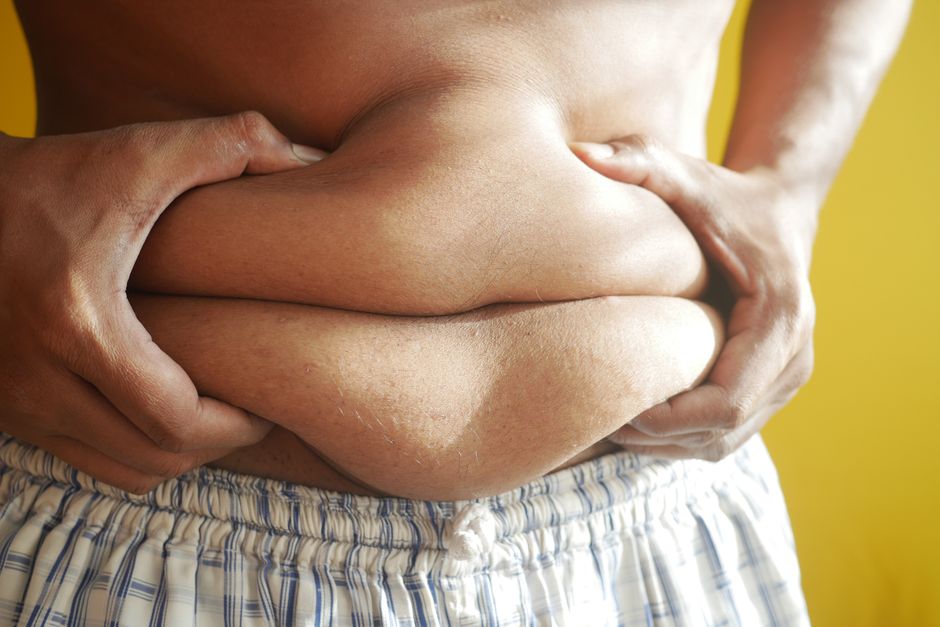
To learn how to lose stubborn belly fat, focus on gradual overall fat loss: choose a sustainable eating pattern, create a modest calorie deficit, stay active, and include strength training. Ab exercises can strengthen your core but do not selectively remove abdominal fat. Track overall progress over time, and discuss sudden abdominal changes or concerns about medicines, hormones, or health conditions with a clinician.
Why is belly fat often the last fat to go?
Belly fat can seem slower to change because fat loss happens across the body, not in a chosen order. Where fat is stored and how it changes differ between people. A shrinking scale number does not promise that the abdomen will be the first place to show a visible difference.
That makes patience and consistent measures more useful than trying to force change in one area. Track weight under similar conditions and review the trend over several weeks. If weight is moving gradually, a waist measurement that changes more slowly does not by itself mean the plan has stopped working.
The CDC says gradual loss of about one to two pounds per week is more likely to be maintained than faster loss. It also notes that a 5% reduction in body weight can improve health measures such as blood pressure, cholesterol, and blood sugar. Progress has value beyond appearance or a single measurement.
Can exercises like crunches specifically burn belly fat?
No. Crunches train abdominal muscles; they do not selectively burn the fat over them. In a randomized study of 24 healthy, sedentary adults, six weeks of abdominal exercise did not significantly change body weight, body-fat percentage, abdominal fat, waist circumference, or abdominal skinfold measurements.
The exercise group did improve curl-up endurance. That distinction matters: core work can build strength and endurance, while reducing body fat requires an approach that affects overall energy balance. The PubMed study of abdominal exercise found that abdominal training alone was not sufficient to reduce abdominal fat.
Build a plan around food intake and movement rather than a long list of targeted exercises. The CDC recommends adults get at least 150 minutes of moderate-intensity aerobic activity each week, or 75 minutes of vigorous activity, and muscle-strengthening activity on at least two days. These are health guidelines, not a guarantee of a particular waist measurement.
What should I change if my weight is dropping but my stomach is not?
If weight is dropping but your stomach is not, first check whether the overall trend is steady and whether you are measuring consistently. Regional changes can lag behind overall progress. Avoid responding to a short-term plateau by sharply cutting food or adding punishing exercise.
Use a sustainable checklist:
- Food intake: Choose an eating pattern you can keep using and adjust portions or food choices enough to create a manageable calorie deficit. NIH News in Health says experts often suggest about 500 fewer calories per day than the amount burned, which may produce roughly one pound of loss per week. That is a general estimate, not a required target for every person.
- Protein and meals: Build meals around filling, nourishing foods that fit your budget and routine. The supplied sources do not set a specific protein target, so avoid treating an unsupported gram amount as a rule.
- Resistance training and activity: Include muscle-strengthening work at least two days per week and regular aerobic movement. The CDC says reducing calories accounts for most weight loss, while physical activity is important for maintaining weight loss.
- Sleep: NIDDK recommends seven to nine hours nightly for adults ages 18 to 64. Inadequate sleep may increase hunger and calorie intake, so sleep belongs in the plan alongside food and exercise.
- Progress tracking: Compare consistent measurements over time. Consider weight, waist, activity, and how well the routine fits daily life rather than relying on one day’s reading.
There is no single best weight-loss diet for everyone. NIH News in Health emphasizes that a plan needs to be one a person can stick with; pairing calorie reduction with activity tends to be effective. For more context on pacing, see How Long Does It Take to Lose 10 kg Safely?
If the overall trend stalls for several weeks, review portions, routine changes, activity, and sleep before making a small adjustment. The CDC notes that medicines, medical conditions, stress, genes, hormones, environment, and age can affect weight management. A clinician can help assess factors that a food or exercise change will not address.
Frequently Asked Questions
How much of a calorie deficit is safe and sustainable?
NIH News in Health says experts often suggest eating about 500 calories below the amount burned each day, which may lead to roughly one pound of weight loss per week. The CDC describes gradual loss of about one to two pounds weekly as more likely to be maintained. These are general guideposts; individual needs differ.
Does strength training or cardio help more with belly fat?
Neither selectively removes abdominal fat. The CDC recommends at least 150 minutes of moderate aerobic activity per week, or 75 minutes of vigorous activity, plus muscle-strengthening activity on at least two days. Pairing activity with a calorie reduction supports overall weight loss, while regular activity also helps maintain it.
When might hormones, menopause, or a medical condition affect abdominal fat?
Menopause can change how the body uses energy and where fat is distributed. NIDDK also lists conditions such as polycystic ovary syndrome, Cushing syndrome, and hypothyroidism, along with some medicines, as factors that can affect weight. Discuss persistent or sudden changes and related symptoms with a clinician.
Sources
- U.S. National Library of Medicine, PubMed — The effect of abdominal exercise on abdominal fat
- Centers for Disease Control and Prevention — Steps for Losing Weight
- National Institutes of Health, NIH News in Health — Healthy Weight Control
- Centers for Disease Control and Prevention — Physical Activity and Your Weight and Health
- National Institute on Aging — What Is Menopause?
- National Institute of Diabetes and Digestive and Kidney Diseases — Factors Affecting Weight & Health
How to Lose Tummy Fat Without Spot-Reduction Claims
Lose tummy fat through sustainable overall fat loss, regular aerobic activity, and strength training—not abdominal exercises alone.

What Is a One Month Diet Plan to Reduce Belly Fat?
A one-month diet plan can support gradual overall fat loss with balanced meals, but it cannot target belly fat alone.

How Long Does It Take to Lose 10 kg Safely?
A realistic timeline for losing 10 kg, what changes the pace, and how to build a sustainable calorie deficit without crash dieting.
Are Protein Shakes a Good Idea for Seniors Who Do Not Eat Much?
How protein drinks, smoothies, and soft foods can support older adults with low appetite—and when fullness, weight loss, or kidney disease calls for care.