
Are Protein Shakes a Good Idea for Seniors Who Do Not Eat Much?
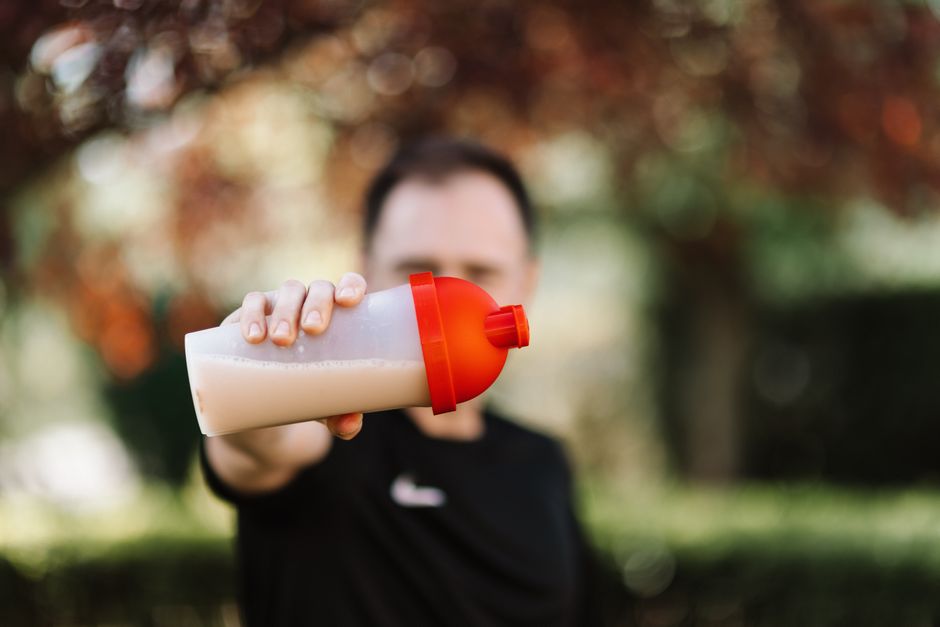
Protein drinks can help older adults who eat too little, have trouble chewing, or need extra nutrition, but they work best as a supplement to meals—not a replacement by default. Compare calories, protein, added sugar, serving size, and texture; fit drinks between meals when fullness is a concern. Unintended weight loss, swallowing trouble, or kidney disease calls for a health professional’s guidance.
Are protein shakes a good idea for seniors who do not eat much?
Protein shakes can be useful when low intake makes it hard to meet nutrition needs, but they are not a substitute for finding out why eating has become difficult. A small drink can add nourishment; it cannot explain a sudden change in appetite or weight.
The National Institute on Aging (NIA) says unintended weight loss in older adults can be associated with low appetite, pain, difficulty chewing or swallowing, or forgetting to eat. Dental problems and poorly fitting dentures can also lead people to avoid foods such as meat, fruits, and vegetables. A drink may sidestep chewing, but a dental evaluation can address the source of chewing difficulty.
Swallowing difficulty needs a different response. NIA advises discussing it with a doctor, since it can have several possible causes. Texture matters: a thin drink may not suit someone who has trouble swallowing liquids, so the person’s eating and swallowing capacity should guide the choice.
For older people with malnutrition or at risk of it, the ESPEN geriatrics guideline recommends individualized, multidisciplinary nutrition care. It supports oral nutritional supplements when dietary counseling and food fortification do not meet nutrition goals. That makes a drink one part of a plan, rather than a stand-alone fix.
Consider the alternatives together. A ready-to-drink product offers a convenient portion; a homemade smoothie can combine soft ingredients; protein-rich soft foods can add nutrition without requiring a beverage. Which works best depends on appetite, texture tolerance, preferences, and medical needs.
Can nutrition drinks help older adults maintain weight and strength?
Nutrition drinks can improve dietary intake and body weight for older adults with malnutrition or risk, but evidence for functional outcomes such as grip strength is mixed. More calories or protein on a label does not guarantee a particular result.
The ESPEN guideline recommends that supplements for older adults with malnutrition or at risk provide at least 400 kcal and 30 g protein per day. These are guideline targets for the supplement plan, not a universal amount for every person or a direction to choose one large bottle. A clinician can determine how the target applies to an individual’s overall intake and goals.
Compare products by what a serving supplies, not by the word “protein” on the front. Check calories, protein, added sugar, and the serving size together. If a container holds more than one serving, the numbers on its nutrition label may describe only a portion; the amount actually consumed matters.
Homemade smoothies and soft foods are other routes. A smoothie can be adjusted for flavor and texture, while soft foods may feel more like a meal. Ready-to-drink products offer a defined serving. Each has trade-offs: convenience, preferred texture, appetite, and the person’s full dietary needs all count.
ESPEN also recommends checking whether the supplement is working at least monthly and adapting product type, texture, flavor, and timing to the person’s needs. A product that goes unfinished, crowds out meals, or does not fit swallowing capacity is a poor match even if its label looks strong.
Will protein drinks make an older person too full to eat meals?
They can take up appetite, especially for someone who already feels full quickly, so timing and portion fit matter. A drink meant to add nutrition can work against that goal if it replaces food the person would otherwise eat.
NIA suggests frequent smaller meals and nutrient-dense snacks for people who get full quickly and want to gain weight. In practice, a supplement between meals can preserve room for meals; the timing should be adjusted to the person’s appetite and routine. ESPEN likewise says supplement timing should fit the patient’s needs.
Medication side effects can reduce appetite, and NIA says discussing symptoms and medication effects with a doctor can help. Persistent poor intake deserves attention to causes, not only a search for a higher-calorie drink.
Rapid unintended weight loss is a warning sign. NIA advises consulting a health professional to find out whether a medical cause is involved. That assessment matters even when a person has started drinking supplements; nutrition support and medical evaluation address different parts of the problem.
Kidney disease also changes the calculation. The National Kidney Foundation explains that protein, sodium, potassium, phosphorus, and fluid needs vary with kidney function, lab results, medications, and individual circumstances. Very large amounts of protein, especially unnecessary supplements, can stress the kidneys, while too little protein can contribute to muscle loss and weakness. A kidney-specialized dietitian or other health professional can tailor choices.
| Option | What to weigh | When it may fit |
|---|---|---|
| Ready-to-drink supplement | Serving size, calories, protein, added sugar, texture | When convenience and a consistent portion help |
| Homemade smoothie | Ingredients, portion, texture, and overall nutrition | When a preferred flavor or texture supports intake |
| Protein-rich soft food | Chewing comfort, food preferences, and meal balance | When eating soft foods is easier than drinking a supplement |
Frequently Asked Questions
What should I look for in a protein drink for an elderly parent?
Compare calories, protein, added sugar, and serving size, then check whether the texture and flavor suit the person’s eating capacity and preferences. The right choice also depends on health conditions and nutrition goals, so a clinician or dietitian can help assess fit.
Are protein shakes safe for seniors with kidney disease?
There is no single eating plan for everyone with kidney disease. Protein, sodium, potassium, phosphorus, and fluid needs can vary with kidney function, lab results, medications, and other factors, so a health professional or kidney-specialized dietitian should guide supplement choices.
Sources
- National Institute on Aging: Maintaining a Healthy Weight
- ESPEN: Clinical Nutrition Guideline for Older Adults
- National Kidney Foundation: Nutrition and Kidney Disease
- National Institute on Aging: Overcoming Roadblocks to Healthy Eating
Disclaimer: This article is for general information only and is not medical advice. It is not a substitute for diagnosis or treatment by a qualified healthcare professional. Always speak to your doctor before acting on anything you read here.

Is It Bad to Drink Coffee Before Breakfast?
Coffee before breakfast is not harmful for everyone. Learn how caffeine, reflux, stomach sensitivity, anxiety, and blood-sugar concerns can shape your routine.

Should Adults Over 70 Get Tested for Vitamin B12?
Learn how age, diet, medicines, and symptoms can shape whether adults over 70 discuss B12 testing or supplementation with a healthcare professional.