
Which Reduce Belly Fat Exercises Work Best at Home?
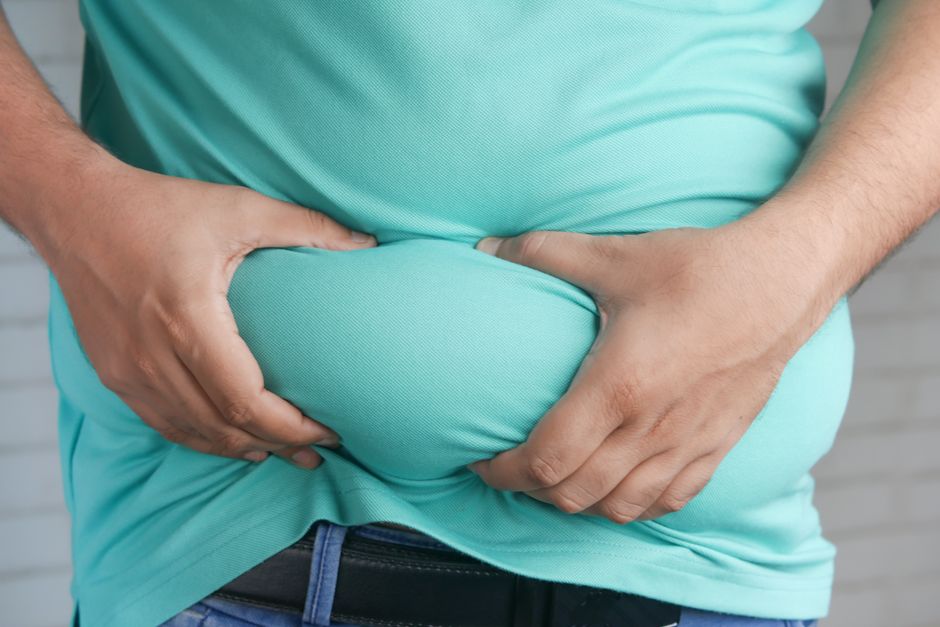
The best reduce belly fat exercises are the ones you can repeat: brisk walking or other steady cardio, intervals if you tolerate them, and full-body strength work. Core exercises build abdominal strength but do not selectively burn belly fat. Combine aerobic activity with strength training, build up gradually, and track consistency over weeks rather than expecting a flat stomach in two weeks.
What exercise burns the most belly fat at home?
No home exercise has been shown in these sources to burn belly fat on its own. Aerobic activity, including brisk walking and HIIT, can support overall activity and is associated with reductions in visceral fat; strength training builds muscular fitness, while core moves train the abdominal muscles.
The CDC says activity raises energy use and, together with reducing calories consumed, creates the calorie deficit associated with weight loss. Its guidance for adults is at least 150 minutes of moderate aerobic activity each week or 75 minutes of vigorous activity, plus muscle-strengthening activity on at least two days. Those are weekly targets, not a requirement to do one specific workout.
At home, walking outdoors or indoors is low-cost and easy to scale. Full-body moves such as chair sit-to-stands, wall push-ups, and hip hinges use little or no equipment. They do not target abdominal fat, but they can make strength work practical when a gym is not part of the plan.
What reduces belly fat quickly?
No exercise guarantees fast, belly-specific fat loss. The CDC explains that weight loss is associated with a calorie deficit, and that regular physical activity helps with maintaining weight loss. A realistic plan pairs repeatable movement with eating habits that support that deficit, rather than relying on a single intense workout.
In 2023, a systematic review and meta-analysis of 11 randomized trials in adults with overweight or obesity found that HIIT was not superior to continuous aerobic training for percentage body fat or abdominal visceral fat. The review in the Journal of Exercise Science and Fitness supports choosing between intervals and steady cardio based on time, effort tolerance, and preference—not a promise that one melts belly fat faster.
For a realistic home week, divide aerobic movement across several days and include strength work on at least two days, in line with the CDC’s adult guidance. A beginner can start with shorter walks and a small number of controlled strength movements, then add time or repetitions as the routine becomes manageable. NIDDK recommends starting slowly and building toward 30 minutes of activity five days a week; its guidance also gives a short-term weight-loss goal of one to two pounds per week. Those figures describe general goals, not a guaranteed result for every person or a prediction of waist change.
A practical home routine
| Day | Session | How to scale it |
|---|---|---|
| Monday | Brisk walk or indoor march | Start with a comfortable bout; add time gradually. |
| Tuesday | Chair sit-to-stands, wall push-ups, hip hinges, and calf raises | Use controlled repetitions and pause before form slips. |
| Wednesday | Easy walk or rest | Keep the pace comfortable. |
| Thursday | Steady cardio, or short faster intervals with easy recovery | Choose steady movement if intervals feel too hard. |
| Friday | Repeat the strength session; add a brief plank or dead bug if comfortable | Use an easier variation before adding repetitions. |
| Saturday | Walk, dance, or another sustained activity | Pick a mode that is easy to continue. |
| Sunday | Rest or gentle movement | Keep the week repeatable. |
This example is a starting framework, not a medical prescription. Build total aerobic time toward the CDC target rather than treating the table as a fixed dose. If the week feels crowded, shorter bouts spread across more days can make the activity easier to fit into household routines.
Can ab exercises or lower-belly exercises target fat in that area?
No. Ab exercises can strengthen abdominal muscles, but they do not selectively remove the fat covering them. “Lower-belly” moves do not change that distinction.
A randomized study of 24 healthy, sedentary adults tested abdominal exercises against a control group. The exercise group performed seven exercises for two sets of 10 repetitions, five days a week for six weeks; the researchers found no significant changes in body weight, body-fat percentage, abdominal circumference, or other measured body-composition outcomes. The Journal of Strength and Conditioning Research study did find improved curl-up endurance, a useful reminder that core strength and fat loss are different outcomes.
Core work still has a place in a home routine. A brief set of dead bugs, modified planks, or controlled curl-ups can train the trunk without pretending to target a specific fat deposit. For overall fat loss, pair it with aerobic activity and a broader strength routine.
Is HIIT or steady-state cardio better for reducing belly fat?
Neither has shown clear superiority for belly-fat reduction in the cited comparison. The 2023 meta-analysis found no significant difference between HIIT and continuous aerobic training for abdominal visceral fat or percentage body fat among adults with overweight or obesity.
A separate systematic review and network meta-analysis, published in 2021, included 34 studies and found that at least moderate-intensity aerobic exercise and HIIT were associated with reduced visceral fat. It found no significant effect for resistance exercise alone in its pooled comparison. The review reported that effective programs commonly used three sessions a week for 12–16 weeks, with aerobic sessions generally lasting 30–60 minutes and HIIT sessions potentially shorter. These are patterns across studies, not a guaranteed timetable for an individual.
Use comfort and access to choose. Steady walking suits people who prefer lower-impact effort or dislike hard intervals. Intervals can suit someone with limited time who tolerates vigorous effort, but brisk walking remains a valid choice. Joint discomfort, current fitness, available space, and the ability to recover all matter more than the label on the workout.
Measure the trend, not one morning
Daily waist size can fluctuate and does not show whether a routine is consistent. Keep a simple record of activity sessions and how long they lasted. If tracking body weight or waist measurements, take readings under similar conditions and compare trends over several weeks rather than treating one measurement as a verdict.
NIDDK’s diabetes-prevention guidance recommends tracking activity and progress, and setting a reachable goal instead of relying on quick-fix promises. A steady record can show whether the plan is happening; the scale or tape alone cannot explain which part of the routine is working.
Frequently Asked Questions
Should I do strength training or cardio first?
The cited evidence does not establish one best order for everyone. The weekly pattern matters more: CDC guidance pairs aerobic activity with muscle-strengthening activity on at least two days. Put the activity that matters most to your plan first, or do them in separate sessions when that makes the routine easier to repeat.
How can I flatten my stomach in two weeks, and what is realistic?
Exercise cannot guarantee a flatter stomach in two weeks, and core exercises alone do not selectively reduce abdominal fat. NIDDK describes one to two pounds per week as a short-term weight-loss goal, not a promise or a belly-specific result. Track the routine and longer-term trends rather than judging progress by daily waist changes.
Which beginner-friendly exercises can I do at home without equipment?
Walking, marching in place, chair sit-to-stands, wall push-ups, hip hinges, and standing calf raises can form a simple starting routine without equipment. Begin with manageable bouts and controlled repetitions, then add time or repetitions gradually. Choose low-impact movements if jumping or fast intervals are uncomfortable.
Sources
- Centers for Disease Control and Prevention (CDC)
- Journal of Exercise Science and Fitness systematic review and meta-analysis (PubMed, 2023)
- Journal of Strength and Conditioning Research study (PubMed)
- International Journal of Obesity systematic review and network meta-analysis (PubMed, 2021)
- National Institute of Diabetes and Digestive and Kidney Diseases (NIDDK)
Disclaimer: This article is for general information only and is not medical advice. It is not a substitute for diagnosis or treatment by a qualified healthcare professional. Always speak to your doctor before acting on anything you read here.

How Can Women Reduce Belly Fat?
Women reduce belly fat through sustainable overall fat loss; exercises cannot target where fat comes off.

What Is a One Month Diet Plan to Reduce Belly Fat?
A one-month diet plan can support gradual overall fat loss with balanced meals, but it cannot target belly fat alone.
How to Lose Stubborn Belly Fat: What Works?
Lose stubborn belly fat through gradual overall fat loss with sustainable eating, regular activity, strength training, and consistent progress tracking.

How Can I Build Stronger, More Muscular Legs?
Build stronger legs with progressive exercises, home-friendly options, and ways to adapt training when equipment or knee comfort is limited.