
What Is the Best Way to Lose Belly Fat?
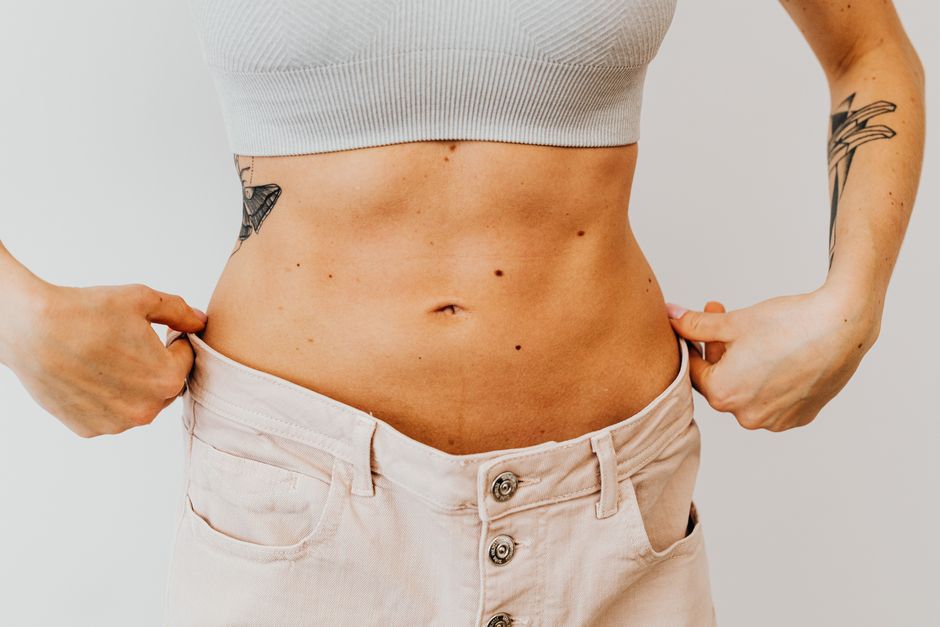
The best way to lose belly fat is to reduce overall body fat over time; abdominal exercises alone do not remove it. If your waist is not changing, compare consistent measurements over weeks and look for daily swings that point to bloating or fluid changes. Persistent, sudden, painful, or unusual swelling—especially with other symptoms—needs medical assessment.
Why is my waist not getting smaller even though I’m losing weight?
Your waist can lag behind weight loss because the scale and tape measure track different things, and neither shows exactly where body fat is changing. A person can lose weight without a clear change in waist circumference, particularly when fat distribution shifts in ways a tape measure does not capture.
A longitudinal analysis published in the Journal of Clinical Endocrinology & Metabolism followed 380 women for a median of 11.8 years. The authors found that waist circumference was less sensitive to changes in fat distribution than measures of android and visceral fat. The study also reported increases in central fat during the menopause transition. These findings help explain why a waist measurement can stay similar even as other body changes occur.
Measure under the same conditions each time. Mayo Clinic advises measuring around the bare abdomen just above the hip bone, keeping the tape level and snug, then relaxing and exhaling without sucking in. A consistent method makes comparisons more useful; a single reading cannot show a trend.
Age can also change the pattern. Mayo Clinic notes that muscle mass tends to decline with age, slowing calorie use and making weight maintenance harder. After menopause, lower estrogen levels can shift fat storage toward the abdomen. These shifts concern overall distribution, not a special fat-loss method for one body part. Abdominal exercises can strengthen the muscles, but Mayo Clinic says they do not by themselves remove belly fat; visceral fat responds to approaches that reduce overall body fat.
How can I tell whether my belly is fat or bloating?
Fat tends to reflect longer-term changes, while bloating often feels or looks different over shorter periods; neither appearance alone confirms the cause. Compare how your abdomen feels and looks at different times, and note whether the change is steady or fluctuates. This is a practical distinction, not a diagnosis.
The National Institute of Diabetes and Digestive and Kidney Diseases (NIDDK) distinguishes the feeling of fullness or swelling, called bloating, from abdominal distention, when the abdomen visibly becomes larger. NIDDK reports that only about half of people with bloating also have distention. A tight or full sensation, then, does not always mean the abdomen has visibly expanded.
By contrast, abdominal fat includes subcutaneous fat under the skin and visceral fat deeper in the abdomen around internal organs, according to Mayo Clinic. Fat change is better assessed over time than from a single day’s appearance. A temporary change in size or sensation belongs to a different pattern and can have digestive causes.
Keep observations simple: note whether the size varies during the day, whether there is a feeling of fullness, and whether symptoms occur alongside bowel changes or pain. Do not use those clues to rule out illness. NIDDK advises talking with a doctor when gas symptoms are bothersome, change suddenly, or occur with abdominal pain, constipation, diarrhea, or weight loss.
Can constipation, gas, or water retention make my stomach look bigger?
Yes: gas and constipation can cause bloating or visible distention, while the sources provided do not establish specific guidance for identifying water retention by appearance. A larger-looking abdomen does not by itself show whether the change comes from fat, gas, constipation, or another cause.
NIDDK explains that gas normally results from swallowed air and bacteria breaking down undigested carbohydrates. Gas symptoms can include belching, bloating, distention, and passing gas. Constipation, irritable bowel syndrome (IBS), and other digestive conditions can also cause gas symptoms.
The NHS lists gas, constipation, food intolerance, coeliac disease, and IBS among common causes of bloating. This range matters because a change in abdominal size is not a reliable measure of fat loss or gain from one day to the next. If the change is temporary and tracks with digestive symptoms, that pattern differs from a gradual change in body fat, but it does not identify the cause on its own.
The sources here do not provide a reliable home test for distinguishing fluid-related swelling from other causes. Do not assume that persistent or unusual swelling is harmless or that it reflects fat alone. The timing, accompanying symptoms, and whether the swelling resolves all matter when deciding whether to seek medical advice.
For gradual body-fat changes, use a consistent waist measurement and interpret it alongside longer-term weight patterns rather than daily fluctuations. For sudden, persistent, or symptom-linked swelling, the safer question is not whether it is fat, but whether it needs assessment.
Frequently Asked Questions
Why does belly fat seem harder to lose as I get older?
Mayo Clinic explains that muscle mass tends to decline with age, which can slow calorie use and make weight maintenance harder. After menopause, lower estrogen levels can also shift fat storage toward the abdomen. These changes affect overall fat distribution; abdominal exercises strengthen muscles but do not remove belly fat on their own.
When should persistent abdominal swelling be checked by a doctor?
The NHS advises seeing a GP for regular or persistent bloating, or bloating with unintentional weight loss or blood in the stool. Seek urgent assessment for bloating with vomiting, bowel changes, stomach ache, fever, a lump, or inability to urinate, pass stool, or pass gas. Sudden severe abdominal pain with a swollen stomach needs emergency care.
Sources
- National Institute of Diabetes and Digestive and Kidney Diseases (NIDDK)
- NHS
- Mayo Clinic
- Journal of Clinical Endocrinology & Metabolism, via PubMed Central
Disclaimer: This article is for general information only and is not medical advice. It is not a substitute for diagnosis or treatment by a qualified healthcare professional. Always speak to your doctor before acting on anything you read here.
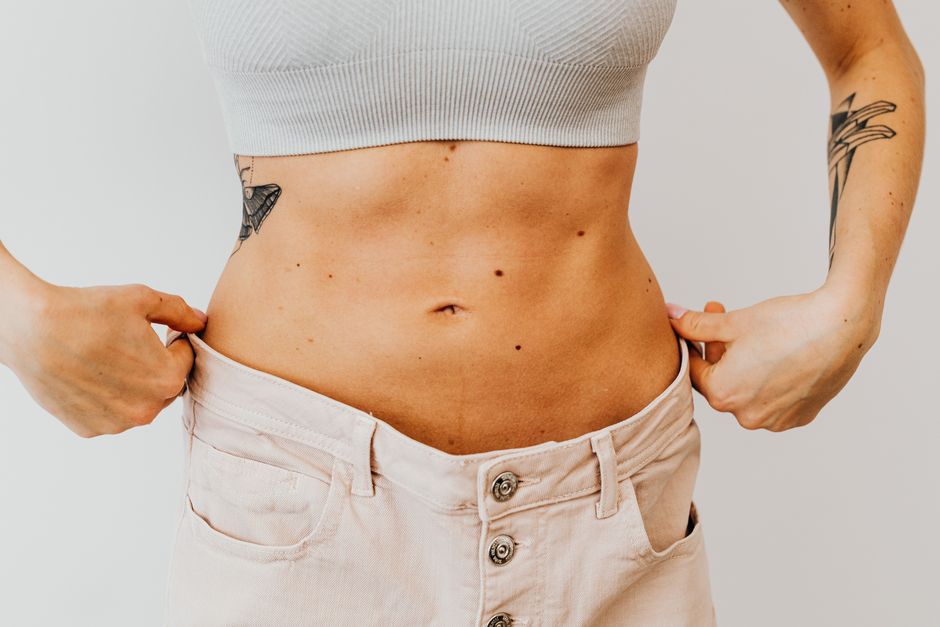
How to Lose Stubborn Belly Fat: What Works?
Lose stubborn belly fat through gradual overall fat loss with sustainable eating, regular activity, strength training, and consistent progress tracking.

How Can Women Reduce Belly Fat?
Women reduce belly fat through sustainable overall fat loss; exercises cannot target where fat comes off.
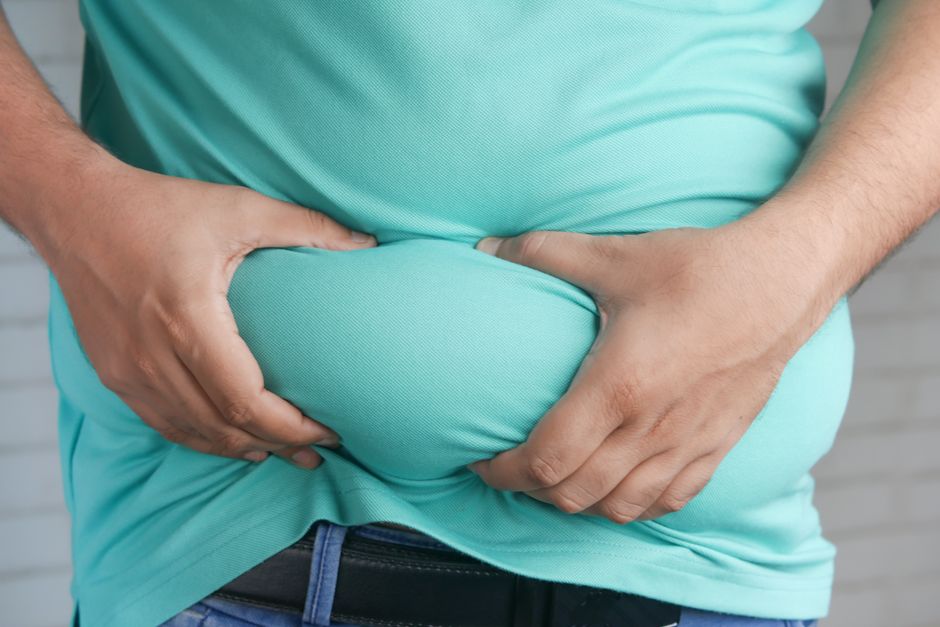
Which Reduce Belly Fat Exercises Work Best at Home?
Repeatable cardio and strength work support overall fat loss; core exercises strengthen abs but do not selectively burn belly fat.

How Can I Build Stronger, More Muscular Legs?
Build stronger legs with progressive exercises, home-friendly options, and ways to adapt training when equipment or knee comfort is limited.