
Walmart Drinking Water: Choose the Right Type and Pack Size
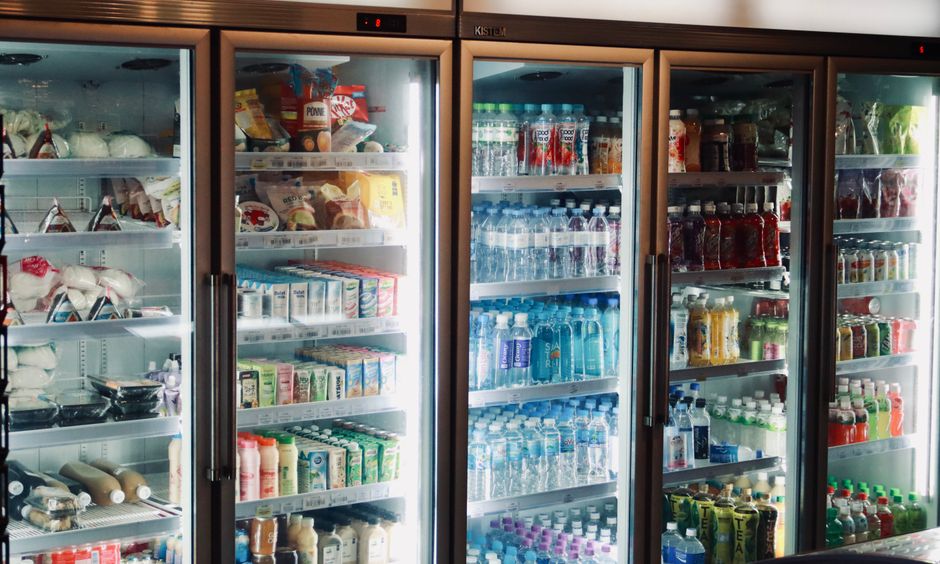
Walmart drinking water can be evaluated by checking the label for its type, bottler, source, and quality-report contact, then comparing the price per gallon of the package sizes available. Purified water is treated; spring water comes from an underground source. Federal rules set bottled-water standards, but the right choice depends on the label details, intended use, taste, and storage needs.
Is the water from Walmart safe to drink?
Walmart drinking water sold as bottled water must meet applicable safe drinking-water standards, but the label and product-specific information are the right places to check the details. The Centers for Disease Control and Prevention explains that bottled water can come from public tap-water systems or underground sources. FDA rules require bottled-water companies to protect sources from germs and chemicals, test water before and after bottling, and follow safety rules during processing, bottling, storage, and transport.
That regulatory baseline does not make all bottles identical. The label may name a source and treatment method and provide a phone number or website for more quality information. Use those details to identify the product in hand rather than assuming that a store brand or a familiar pack format tells you where the water came from.
Research gives context, not a verdict on every brand. A study published in Environmental Research analyzed 30 bottled-water sources: 23 domestic and 7 imported, including 7 purified tap-water products and 23 spring-water products. Researchers detected inorganic and organic compounds, but no enforceable chemical quality standards were exceeded in the samples. Some metals were detected mostly in spring-sourced samples without advanced filtration. Those findings describe the study sample; they do not establish the contents of a particular Walmart bottle.
What is the healthiest drinking water to buy at Walmart?
There is no single bottled-water type shown by the provided evidence to be healthiest for everyone. A clinical review indexed by PubMed found limited evidence for routine health risks or benefits from using bottled water and notes bottled or filtered water can suit people with specific health needs.
Start with the label’s defined water type, then match it to your use. The federal regulation at 21 CFR § 165.110 allows water treated by distillation, deionization, reverse osmosis, or another suitable process to be labeled purified water, when it meets the applicable definition. Spring water comes from an underground formation and flows naturally to the surface; its location must be identified.
Distilled water is one way to meet the purified-water definition; spring describes where water comes from. Those terms answer different questions. If you are choosing water to meet a specific health need, the available sources do not identify one Walmart product as the right choice for every person.
What's the healthiest water you can buy at Walmart?
The healthiest choice depends on the specific product information and the buyer’s needs, not simply whether a bottle says purified or spring. Both labels have defined meanings, and neither is a general ranking of healthfulness.
For a practical check, read the label in sequence. Confirm whether it says purified, spring, or another type. Look for the identified source and treatment method, then note the listed contact for more quality information. Federal rules cover bottled water’s microbiological, physical, chemical, and radiological quality; the regulation includes a total dissolved solids limit of 500 mg/L, with an exemption for mineral water.
Taste and bottle construction also affect everyday use, but the provided sources do not publish comparative taste tests or measurements of Walmart bottle thickness. Treat reviews as reports of individual experience rather than evidence that every bottle tastes or performs the same. If a single-use bottle feels thin, avoid relying on it for repeated use; follow the product’s storage guidance and use a durable, clean container for ongoing refill needs.
Where does Walmart drinking water come from?
The source depends on the specific bottled-water product: bottled water can originate in a public tap-water system or underground. The CDC says labels may identify the source and treatment method, so check the bottle itself rather than generalizing across a retailer’s water assortment.
For a spring-water label, federal rules require the spring’s location to be identified. A purified-water label describes processing, not necessarily an underground source: the water may have been treated using distillation, deionization, reverse osmosis, or another suitable process. Source and treatment are separate facts, and both can help explain what a label means.
Do not mistake a local water report for a bottled-water report. The EPA says community water systems must provide customers an annual Consumer Confidence Report by July 1. It identifies the local public water source, summarizes contamination risks, and reports regulated contaminants found and any health-standard violations. These reports describe local public systems, not necessarily a bottled product. For a specific bottle, use its label contact to seek product-specific details.
Compare pack sizes by gallons
Package size makes comparison clearer when each price is converted to the same unit. The Alcohol and Tobacco Tax and Trade Bureau defines one U.S. gallon as 128 fluid ounces, or 3.785 liters. Divide the pack’s total fluid ounces by 128 to get gallons, then divide the current package price by that volume to get price per gallon.
For the examples below, bottle counts and bottle sizes yield the stated volumes. The provided research does not include current Walmart prices, product-specific costs, or details for a 5-gallon jug beyond the size named in the task, so compare prices on the listing or shelf where you shop.
| Option | Who it suits | Volume | Cost | Key limitation |
|---|---|---|---|---|
| 24-pack of 16.9-fl-oz bottles | Shoppers who want individual bottles; suitability is a practical comparison, not a source claim | 405.6 fl oz, about 3.17 gallons | not published; calculate current price ÷ 3.17 for price per gallon | Check the actual bottle size; single-use bottle thickness is not documented in the sources |
| 40-pack of 16.9-fl-oz bottles | Shoppers comparing a larger case of individual bottles | 676 fl oz, about 5.28 gallons | not published; calculate current price ÷ 5.28 for price per gallon | Check storage space and actual bottle size |
| 5-gallon jug | Shoppers seeking a larger container, if available for their needs | 5 gallons as named | not published; calculate current price ÷ 5 for price per gallon | Package price, handling details, and product specifications are not published in the sources |
The 24- and 40-pack calculations use the example sizes in the TTB source; another bottle size changes the total volume. The lowest price per gallon is only one part of value. A case of small bottles offers separate portions, while a large jug takes less packaging per gallon but requires a suitable way to store and handle it. The sources do not provide Walmart-specific prices or a verified ranking, so the current local shelf or listing price decides the cost comparison.
Frequently Asked Questions
Is Great Value drinking water purified or spring water?
The name alone does not settle the water type for every Great Value product. Check the specific bottle or listing for wording such as purified or spring, along with source and treatment details.
How can I find the source and water quality report for my Walmart bottle?
Start with the bottle label, which may identify the source, treatment method, and a phone number or website for more quality information. Use that contact to request the product-specific details; a local water-system Consumer Confidence Report describes the public system, not necessarily the bottled product.
Which Walmart drinking water size is best value: a 24-pack, 40-pack, or 5-gallon jug?
Compare the current package price per gallon, and include storage and handling in the decision. For 16.9-fluid-ounce bottles, a 24-pack is about 3.17 gallons and a 40-pack is about 5.28 gallons; the 5-gallon jug is five gallons, but prices and other package details are not published in the provided sources.
Sources
Choose the Right Mower for Your Acreage and Terrain
Match mower type and deck width to your maintained acreage, terrain, vegetation, access, and budget.
Choose Green Tea by Taste, Caffeine, and Format
Compare green tea by flavor, caffeine, and format, with practical picks for mild cups, tight budgets, and matcha fans.

Adult Dance Class Costs: Compare Drop-Ins, Packs, and Memberships
Compare adult dance class drop-ins, packs, memberships, and trial offers by total cost, expiration rules, and cancellation terms.

What Can I Make for Dinner When I Have Little Time and Few Ingredients?
Build quick, satisfying dinners from a protein, vegetable, and pantry staple—with easy ways to adapt meals for picky eaters and use leftovers safely.