
What Can I Make for Dinner When I Have Little Time and Few Ingredients?
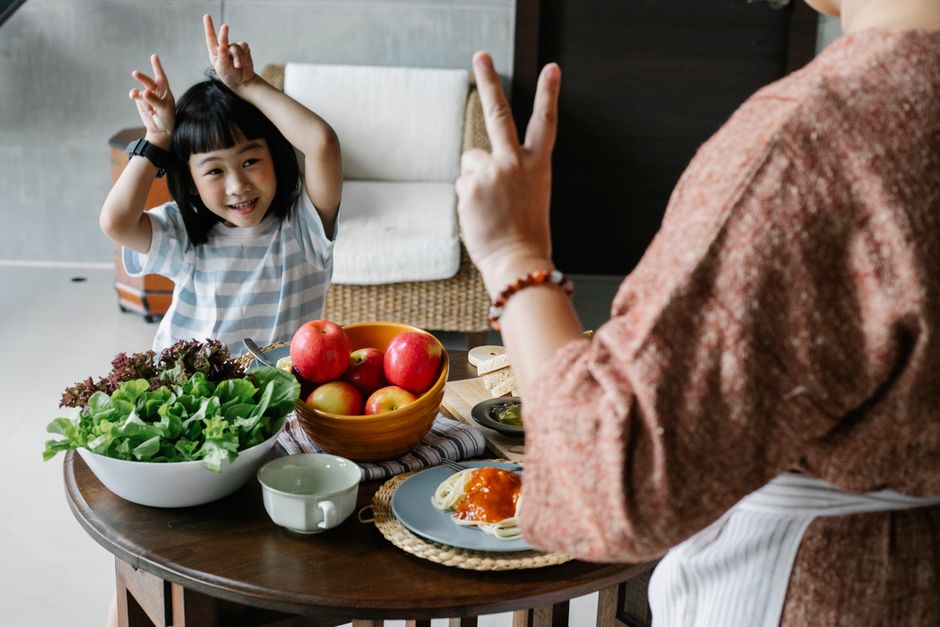
Build dinner from a simple mix-and-match formula: pair a protein with a vegetable and a filling staple such as rice, pasta, bread, or potatoes. Choose the quickest option that fits what you have, prepare components separately when household preferences differ, and use leftovers safely. A short inventory of your fridge, freezer, and cabinets turns “nothing to cook” into a workable plan.
What can I make for dinner in 30 minutes?
In 30 minutes, make a meal from one fast-cooking protein, a vegetable, and a ready-to-use or quick-cooking staple. The useful move is to decide by components, not by searching for a recipe that matches every ingredient exactly.
Use this formula: protein + vegetable + staple. Eggs, canned beans, or cooked meat can cover the protein; fresh or frozen vegetables cover the vegetable; rice, pasta, bread, or potatoes can make the meal more substantial. Treat those as choices, not a rigid checklist: the best combination is the one already in your kitchen and likely to be eaten.
When you have a little more time, cook extra grains or vegetables for another meal. USDA MyPlate recommends preparing grains, vegetables, and beans ahead of busy weekdays. It also advises planning around food already on hand—“Plan meals that use foods you already have.” That small planning step can save both weekday time and food that might otherwise go unused.
Use this quick decision table to narrow the options:
| Time and kitchen situation | Build dinner from | Practical move |
|---|---|---|
| About 15 minutes; cooked rice available | Rice, eggs, mixed vegetables, and optional cooked meat | Stir-fry the components and offer sauce at the table. |
| About 20 minutes; canned beans available | Black beans, egg, cooked rice, seasonings, and buns | Shape patties and cook them for 4–5 minutes per side. |
| About 30 minutes; no recipe plan | Any available protein, vegetable, and staple | Cook the slowest component first; add quick-cooking items last. |
The times in the first two rows are practical planning estimates, not USDA recipe promises; the specified patty cooking time comes from the USDA recipe. For a direct template, the USDA MyPlate fried rice recipe combines cooked rice, eggs, cooked meat, and mixed vegetables. It makes four servings, and sauce is optional so diners can season their own portions.
What should I cook when I have almost nothing in the fridge?
When the fridge looks empty, start with the freezer and cabinets, then build around a shelf-stable protein or a stored staple. You may have the makings of dinner without having fresh ingredients for a conventional recipe.
Take a two-minute inventory: check for cooked grains, pasta, canned beans, eggs, frozen vegetables, bread, and leftovers. Pick one item from each useful category—protein, vegetable, staple—and combine what fits. If you find only a few ingredients, let the meal be simple rather than making a special shopping trip the default response.
Fried rice is a strong leftover option because it is designed around cooked rice, eggs, cooked meat, and mixed vegetables. The USDA MyPlate version makes four servings and lists 340 calories, 19 grams of protein, and 5 grams of dietary fiber per serving. Those figures belong to that recipe’s serving; substitutions can change the result.
Canned black beans can become burgers when paired with an egg, cooked rice, seasonings, and buns. USDA MyPlate’s recipe makes four servings, and the patties cook for 4–5 minutes per side. It lists 274 calories, 13 grams of protein, and 12 grams of dietary fiber per serving. Cooked barley, rolled oats, or breadcrumbs can stand in for the rice, so use the binding ingredient you have.
Leftovers need a safety plan as well as a second-meal plan. The USDA Food Safety and Inspection Service says to refrigerate perishable food within two hours—or within one hour when the temperature is above 90 °F. Keep the refrigerator at 40 °F or below, use most cooked leftovers within 3–4 days, and reheat them to 165 °F. Shallow containers help food cool rapidly.
How do I make one dinner that picky kids and adults will both eat?
Make one shared base and serve strong flavors, sauces, and toppings separately. Everyone gets the same core meal, but each person controls the finishing touches.
This is the build-your-own plate method: cook a familiar staple and a simple protein, add a vegetable, then put optional extras in separate bowls. For fried rice, keep sauce on the side. For black bean burgers, offer toppings separately. The USDA MyPlate black bean burger recipe specifically suggests letting diners choose toppings or serving them separately.
Keep the first serving easy to recognize. Put components beside one another rather than mixing every ingredient together, especially when someone has a clear preference about texture or flavor. A person who wants plain rice and a familiar protein can eat those; someone else can add vegetables, sauce, or toppings. That is one dinner with different finishing choices, not a separate meal for every person.
MyPlate’s family resources include a guide called “Healthy Tips for Picky Eaters,” along with meal-planning and grocery-list materials. The listing supports using planning tools to address preferences, but it does not supply specific nutrition statistics or promise that one approach works for every household. Use the adaptable format as a practical starting point, then note which components actually get eaten.
To make the system easier next time, keep a short household list: reliable staples, proteins that are usually accepted, and toppings people can add themselves. Check it before shopping and before cooking. A small list cuts down on last-minute debate and helps you use ingredients already in the kitchen.
Frequently Asked Questions
What are easy dinners using pantry staples?
Try fried rice with cooked rice, eggs, frozen mixed vegetables, and any cooked meat you have, adding sauce to taste. Another option is black bean burgers made with canned beans, egg, cooked rice, and seasonings; serve toppings separately so each person can choose.
How can I make a quick dinner feel filling?
Combine a protein with a substantial staple such as rice, pasta, bread, or potatoes, then add a vegetable. If you have cooked grains or beans ready, they can reduce prep work and help turn a small amount of fresh food into a complete meal.
Conclusion
Make the next dinner decision with three questions: What protein is available? Which vegetable can go with it? What staple will make it satisfying? Then adapt the assembly to your household—serve sauce and toppings separately, and keep a portion of leftovers for another meal.
This week, check your freezer, cabinets, and refrigerator before making a shopping list. Choose one combination for a busy night and prepare a grain, vegetable, or beans ahead if that fits your schedule. Label leftovers with the date, refrigerate them promptly, and use them within the safe window.
Sources
How Far Ahead Can You Make Party Dip Without It Turning Watery?
Prep party dips ahead without soggy layers: learn what to drain, when to add toppings, and how to keep dips safely cold.

Choose Green Tea by Taste, Caffeine, and Format
Compare green tea by flavor, caffeine, and format, with practical picks for mild cups, tight budgets, and matcha fans.