
Choose Green Tea by Taste, Caffeine, and Format
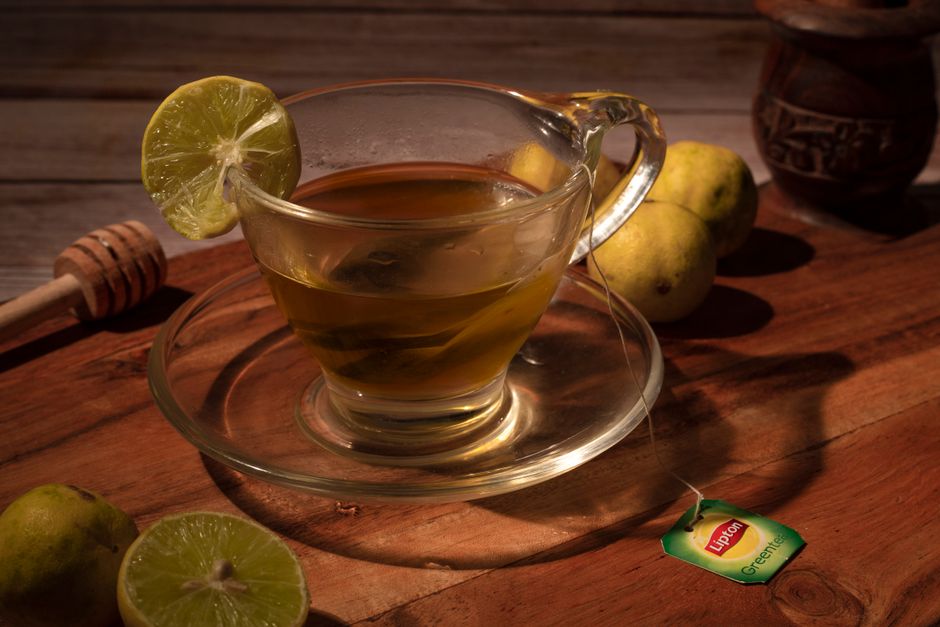
For a mild cup, brew green tea briefly and start with a bagged tea or a smoother matcha; long steeping can make green tea bitter. Loose leaf offers more choice but does not automatically taste better than tea bags. Matcha generally has more caffeine per gram, while an 8-ounce serving of green tea has 23–49 mg and matcha 38–89 mg, according to Harvard Health Publishing.
Which green tea tastes mild and not bitter?
For a milder taste, choose a smoother style and control the steep: the cup you make matters as much as the tea you buy. Harvard Health describes matcha as typically sweeter and smoother than other green teas, making it a sensible first try if sharp or grassy flavors put you off.
Brewing time can shift the result. In a sensory study, nine trained panelists gave Turkish green tea brewed at 85°C for 3 minutes the highest scores for taste, aroma, and overall acceptability. Taste scores were highest around 3–5 minutes; brews lasting 30–45 minutes scored poorly because of bitterness and dark color. This is a useful direction, not a universal recipe for every tea.
Bitterness is not just a matter of personal sensitivity. A consumer study comparing four Korean green teas found that its highest-catechin sample drew comments of objectionable bitterness from 27.6% of consumers and excessive astringency from 13.4%. Lower bitterness and less intense green-tea flavor were associated with better acceptance of some samples. If you want mellow, avoid assuming that the boldest or most intense taste is the best match for you.
Use this quick flavor filter: choose matcha for a smoother, often sweeter profile; try a less intense green tea if you dislike astringency; and shorten the steep if bitterness is the problem. Make one adjustment at a time so you can tell whether the style or the brewing is changing the cup.
Does loose-leaf green tea taste better than tea bags?
Loose-leaf green tea does not automatically taste better than tea bags; the evidence provided does not establish a universal taste winner. The better buy depends on whether you value convenience, lower cost, or the chance to choose among specific products.
A 2023 study analyzed 15 commercial bagged, gunpowder, and matcha green teas. In that sample, bagged and gunpowder teas were the lowest-cost products and generally had lower caffeine levels than matcha. Those findings describe the tested products, not every tea on the shelf, and the study does not establish that bagged tea tastes worse.
Tea bags are a practical starting point when you want a quick cup and a lower-cost option. Loose leaf makes sense if you want to explore particular products and are willing to prepare them. But taste comes down to the tea itself and how you brew it; format alone cannot promise a mellow, fragrant, or non-bitter result.
Matcha is a different format: it is powdered green tea typically whisked into water, so you consume the whole leaf. That creates a distinct preparation and flavor experience. It can suit someone who wants a smooth, sweeter cup, but it is not automatically the budget choice: bagged and gunpowder teas were the lowest-cost products in the 2023 sample. Current prices for individual products were not published in the supplied research.
Which green tea has the most caffeine?
Among the formats compared in one product study, ceremonial matcha had the highest average caffeine per gram; for a prepared cup, however, serving size and steeping matter. Do not treat the per-gram figures as a direct prediction of caffeine in every cup.
The 2023 analysis found an average of 31.45 mg caffeine per gram for ceremonial matcha, 26.29 mg/g for culinary matcha, and 23.08 mg/g for bagged and gunpowder teas. These figures apply to the 15 products tested. They are useful for comparing those categories in that sample, not a guarantee about a specific brand or serving.
Harvard Health reports 23–49 mg caffeine in an 8-ounce cup of green tea and 38–89 mg in an 8-ounce serving of matcha. The ranges overlap. A separate study in the Journal of Analytical Toxicology measured commercial teas and found 14–61 mg caffeine per 6- or 8-ounce serving across brewed white, green, and black teas. It also found that steeping time affected caffeine concentration and that caffeine did not follow a consistent trend by tea variety.
Here is the practical call: if caffeine is your main filter, check the product information and keep serving size and preparation consistent when comparing. Matcha trends higher in the cited research, but the sources do not support a fixed ranking of every sencha, tea bag, and matcha cup. Use the ranges as context, not as a precise dose calculator.
Compare green tea options at a glance
| Option | Who it suits | Cost in the study | Key limitation |
|---|---|---|---|
| Bagged green tea | Someone seeking a convenient format and a lower-cost option | Among the lowest-cost products in the 2023 sample | Product caffeine varied; the sample does not represent every tea |
| Loose-leaf green tea | Someone who wants to choose a particular tea product | Not published | No universal taste advantage over tea bags established in the supplied sources |
| Gunpowder green tea | Someone comparing a loose tea style with bagged options | Among the lowest-cost products in the 2023 sample | Average caffeine was reported for the tested products, not every product |
| Culinary matcha | Someone who wants powdered green tea | Not published | Average caffeine in the sample was lower than ceremonial matcha but higher than bagged/gunpowder tea |
| Ceremonial matcha | Someone looking for matcha's typically smoother, sweeter flavor | Not published | Highest average caffeine per gram among the compared categories in the sample |
Frequently Asked Questions
Is matcha stronger than regular green tea?
Matcha is powdered green tea, so you consume the whole leaf, and Harvard Health reports 38–89 mg caffeine per 8-ounce serving compared with 23–49 mg for green tea. The ranges overlap, so the exact cup depends on the product and preparation.
What green tea should I try if I am new to it?
Start with a bagged green tea for convenience, or try matcha if you prefer the smoother, typically sweeter flavor described by Harvard Health. Brew it briefly rather than leaving it to steep for a long time, which can increase bitterness.
Sources
How Far Ahead Can You Make Party Dip Without It Turning Watery?
Prep party dips ahead without soggy layers: learn what to drain, when to add toppings, and how to keep dips safely cold.
What Can I Make for Dinner When I Have Little Time and Few Ingredients?
Build quick, satisfying dinners from a protein, vegetable, and pantry staple—with easy ways to adapt meals for picky eaters and use leftovers safely.