
Choose the Right Mower for Your Acreage and Terrain
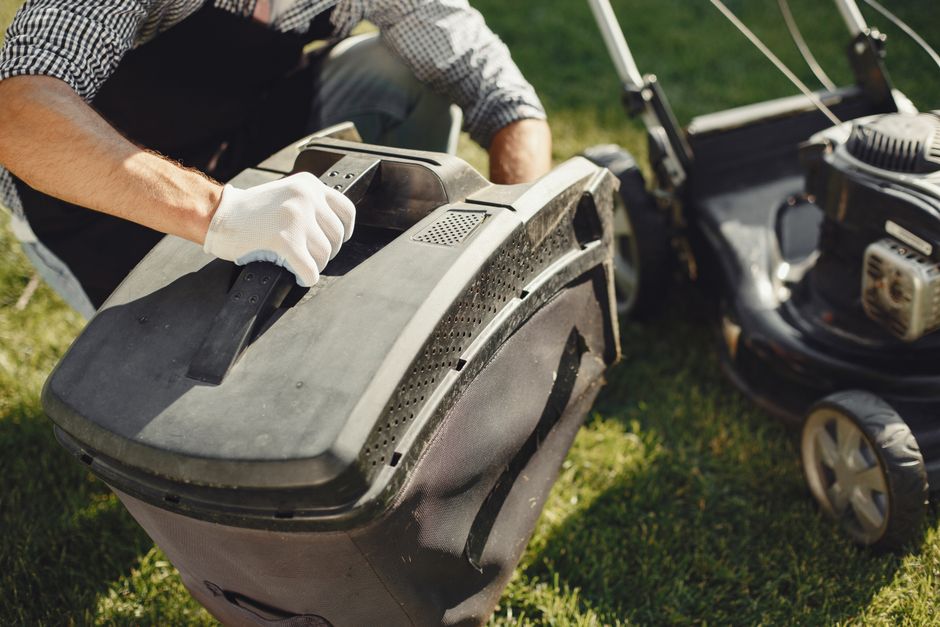
For acreage, choose by the ground you actually maintain: a lawn tractor or residential zero-turn suits maintained grass, while rough fields and dense vegetation call for a tractor with a rotary cutter. Match deck width to open space, gates, and storage; give slopes and uneven ground priority over speed. Check the specific model’s limits and test it on your site before buying.
What type of mower is best for mowing 5 to 10 acres?
For 5 to 10 acres, the best mower depends on whether that acreage is maintained lawn or rough field. John Deere’s product selector includes maintained-area categories through 8–10 acres, a useful reminder to size for the ground you mow regularly rather than the full property boundary.
For maintained grass, compare lawn tractors and residential zero-turns. John Deere lists lawn-tractor decks from 42 to 60 inches and prices from $2,499 for an S100 to $16,134 for an X738. Those are listed examples, not a universal price range for every mower or dealer.
A zero-turn prioritizes maneuvering around obstacles and can cover open lawn efficiently. Husqvarna lists residential zero-turn deck widths from 42 to 61 inches and says a 61-inch model can cut over 4 acres per hour; its commercial models are listed at up to 7 acres per hour. These are manufacturer figures, not promised field rates. Grass height, terrain, turning, and obstacles shape the work.
Fields change the answer. Texas A&M Forest Service says brush hogs suit dense grasses, overgrown fields, pastures, and taller herbaceous vegetation better than lawn mowers. They leave larger pieces of cut material, so they do not deliver a manicured lawn finish.
Should I buy a zero-turn mower or a tractor for acreage?
Buy a zero-turn for maintained lawn and frequent trimming around obstacles; choose a tractor when you need field capability or useful attachments. The right comparison starts with the job, not the steering layout.
A zero-turn’s strength is maneuvering across maintained grass. Yet the machine’s intended use matters more than its shape. Toro’s TimeCutter manual says the mower is designed primarily for cutting grass on well-maintained lawns, not clearing rough fields. It lists 34-, 42-, and 50-inch cutting widths for the models covered.
A lawn tractor covers maintained grass and can serve as a platform for other tasks, depending on the model and attachments. A garden or compact tractor belongs in the comparison when the work extends beyond lawn mowing, but the supplied sources do not provide a consistent attachment list, price range, or performance comparison across tractor types. Check the specific machine and implement requirements.
For a rotary cutter, horsepower and PTO capability matter. Clemson Cooperative Extension advises choosing width with tractor tire tracks, horsepower, tree spacing, field turns, and roadsides in mind. Its guidance also ties cutter duty rating to vegetation: standard duty can suit herbaceous growth, while larger woody growth calls for medium- or heavy-duty construction.
There is a cost and finish trade-off. Cornell Small Farms Program reports a typical lightweight brush hog cost range of $2,000–$4,000; larger 10-foot cutters can cost $10,000 or more. Brush hogs are rough-cut tools, not lawn-finishing equipment. Include the tractor and its capabilities in the budget, not only the cutter price.
| Option | Who it suits | Cost or published rate | Key limitation |
|---|---|---|---|
| Lawn tractor | Maintained grass; Texas A&M describes suitability for light grasses and large areas. | John Deere lists $2,499 for an S100 to $16,134 for an X738. | Texas A&M says lawn tractors are not useful on uneven surfaces. |
| Residential zero-turn | Maintained lawns where maneuverability and cutting speed matter. | Husqvarna lists residential decks from 42 to 61 inches; price not published in the supplied source points. | Toro says its TimeCutter is intended primarily for well-maintained lawns; not rough-field clearing. |
| Tractor with rotary cutter | Dense vegetation, overgrown fields, pastures, and taller herbaceous growth. | Cornell reports $2,000–$4,000 for a typical lightweight brush hog; larger 10-foot cutters can cost $10,000 or more. | Requires suitable tractor horsepower and PTO; leaves a rough cut, with debris hazards. |
What mower handles hills and uneven ground safely?
The safest choice is a mower whose manual allows the specific slope and terrain, operated within those limits. A machine that works well on level lawn does not become safe on a hillside because its deck is wider or its engine is stronger.
John Deere says hills call for more horsepower and stability than flat terrain, and challenging terrain calls for still more. It tells operators to consult the manual and avoid unsafe terrain. Toro’s TimeCutter manual prohibits operation on slopes greater than 15 degrees and warns that moisture and terrain changes affect safe operation. That limit applies to the manual’s covered models; check the exact model manual rather than treating it as a universal threshold.
Hazards matter beyond the slope itself. Toro warns against operating near drop-offs, ditches, embankments, or water, and advises keeping a distance of twice the machine width from such hazards. Ohio State University Extension recommends removing debris before mowing, keeping bystanders away, and using a seat belt with a rollover protective structure. It also notes that front ballast can improve tractor balance and wider rear tire settings can reduce the chance of overturning.
Uneven ground can also rule out a lawn tractor for the job. Texas A&M describes lawn tractors as unsuitable for uneven surfaces. Husqvarna says its zero-turn design uses wide rear wheels to reduce turf pressure and a low center of gravity to support traction and stability on uneven ground; those design features do not replace the model manual or an on-site assessment.
Walk the route before purchase. Check wet spots, rocks, ruts, ditches, and the room to turn. Ask for a demonstration on representative ground and stop if the seller cannot show that the model is suitable for the conditions.
How wide should the mower deck be for several acres?
Choose the widest deck that fits your terrain, obstacles, access, and storage without making the mower hard to use. Wider decks generally finish faster in open areas; smaller decks are more agile in tight spaces.
John Deere lists lawn-tractor decks of 42, 48, 54, and 60 inches. Husqvarna’s listed residential zero-turns include 42-, 48-, and 54-inch decks, while its broader guide covers widths up to 61 inches. These ranges show what manufacturers offer, not a rule that every several-acre property needs the largest deck.
Measure more than the cutting width. John Deere says overall mower width is normally several inches wider than the deck, so a machine that fits the lawn on paper may not pass a gate or fit in a storage space. Measure the narrowest gate, bridge, path, and storage opening before comparing models.
For a rotary cutter, width must suit the tractor and the land. Clemson recommends considering whether the cutter covers the tractor tire tracks, whether the tractor has enough horsepower, and whether the width works with tree spacing, turns, and roadsides. Cornell says common small-farm three-point-hitch brush hogs cover about 5 or 6 feet per pass; a 10-foot machine can require at least an 80-horsepower tractor.
Frequently Asked Questions
Do I need a commercial-grade mower for a large property?
Not automatically. Husqvarna separates residential equipment from larger-deck commercial models, and its published cutting-rate figures are manufacturer estimates, not guaranteed results. Match capacity to the area and mowing conditions you can maintain; commercial grade is not a substitute for choosing the right machine for the terrain.
Is a zero-turn mower suitable for rough grass, weeds, or infrequent mowing?
A residential zero-turn designed for well-maintained lawns is not the right tool for rough-field clearing. Toro describes its TimeCutter as intended primarily for cutting grass on well-maintained lawns. For dense grass or taller vegetation, Texas A&M Forest Service describes brush hogs as better suited than lawn mowers.
Would a tractor with a rotary cutter be better for fields than a zero-turn?
For dense vegetation, overgrown fields, pastures, and taller herbaceous growth, a tractor with a rotary cutter is generally the better fit. It leaves a rougher cut, and the tractor must have suitable horsepower and PTO capability. Check cutter width, duty rating, guarding, and vegetation before use.
What should I test or inspect before buying a mower for acreage?
Measure the maintained area, gates, access routes, and storage space; then inspect the terrain, obstacles, and vegetation. Confirm the model’s slope limits in its manual, evaluate traction and stability on the actual site, and check comfort, service access, and total budget. For a rotary cutter, assess horsepower, PTO, width, duty rating, guards, and clutch maintenance.
Before you buy
Put the mower beside the land it must serve. Match the machine to maintained grass or rough vegetation, then check slope, access, width, power, service, and storage. Clemson notes that neglected rotary-cutter slip-clutch discs can rust together and fail to slip properly, so upkeep belongs in the ownership plan.
Rotary cutters also demand distance and guarding. Cornell warns that cutter debris can travel more than 300 feet and calls for keeping children and bystanders away and maintaining guards and shields. A low purchase price does not make a machine economical if it cannot safely do the work.
Sources

Choose Green Tea by Taste, Caffeine, and Format
Compare green tea by flavor, caffeine, and format, with practical picks for mild cups, tight budgets, and matcha fans.

Are Protein Shakes a Good Idea for Seniors Who Do Not Eat Much?
How protein drinks, smoothies, and soft foods can support older adults with low appetite—and when fullness, weight loss, or kidney disease calls for care.

Should Adults Over 70 Get Tested for Vitamin B12?
Learn how age, diet, medicines, and symptoms can shape whether adults over 70 discuss B12 testing or supplementation with a healthcare professional.