
Is Your Food Package Safe to Microwave?
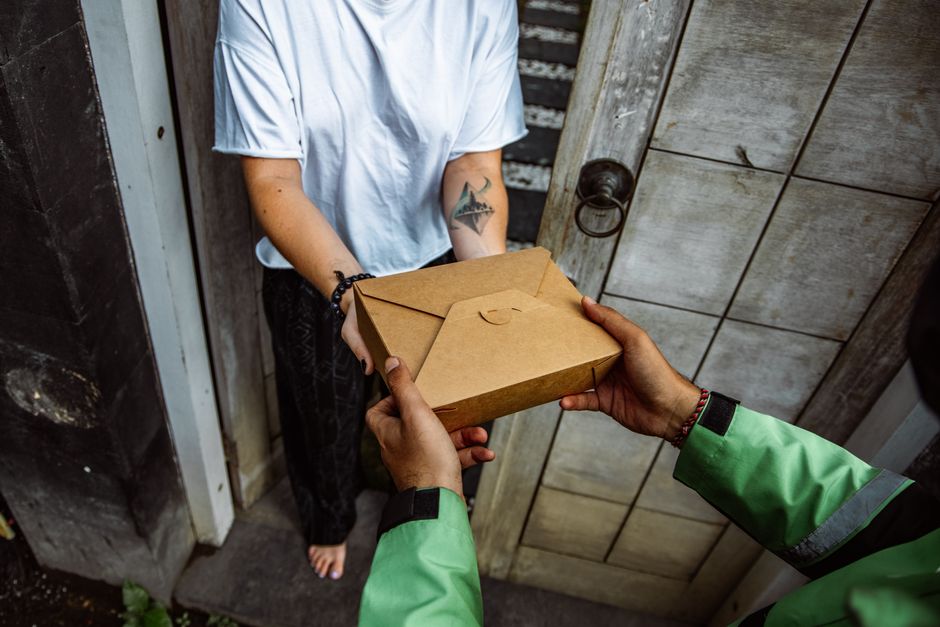
A food package is safe to microwave only when its label or manufacturer instructions explicitly say it is microwave-safe and you follow the directions. A recycling number does not show that a plastic can be heated. If the package is unmarked, damaged, warped, or intended for cold storage or one-time use, transfer the food to microwave-safe glass or ceramic.
Can I microwave food in the package it came in?
You can microwave food in its original package only when that specific package is marked for microwave use and its instructions allow it. The material alone is not enough: a plastic tub, tray, or film may have been made for storage or serving rather than heating.
The USDA Food Safety and Inspection Service advises using cookware made for microwave use. It cautions against foam trays, cold-storage tubs such as margarine or yogurt containers, and packaging that has warped or melted. Heat-related changes can cause chemicals to migrate into food.
Follow the package’s cooking directions rather than treating a microwave-safe label as permission to heat it any way you choose. USDA guidance also says to vent covers and leave space so plastic wrap does not touch the food. If the package softens, melts, or changes shape during heating, stop using it and move the food to a suitable dish.
Some packages are designed for a particular heating method or a single use. A steam bag or film-covered dish should be heated only as its instructions specify; do not assume the package can be reused or heated beyond the stated directions. The American Osteopathic Association says single-use frozen-meal trays are intended for one-time use.
How can I tell if a food package is microwave-safe?
Look for wording or instructions that explicitly state the package is microwave-safe. When that information is absent or unclear, transfer the food to microwave-safe glass or ceramic instead of guessing.
Check the package itself and any instructions that came with the food. The label should apply to the container being heated, not only to the food or another part of the packaging. A microwave-safe mark is useful only when you also follow any directions about venting, heating time, or removing a cover.
Inspect the package before heating. A cracked, worn, warped, or previously melted container is not a sound choice. USDA advises against heating packaging that has warped or melted, and recommends against foam trays and cold-storage tubs. An intact container still needs explicit microwave directions; appearance alone cannot establish that it is suitable.
When the label does not settle the question, glass or ceramic marked for microwave use offers a straightforward alternative. Place the food in that dish and use the food’s own heating instructions where available. For leftovers, USDA notes that microwave heating can leave cold spots. Let food stand after heating and use a food thermometer to check that it reaches 165°F.
Is a plastic recycling number enough to show a package is safe to microwave?
No. A plastic recycling number identifies the type of plastic; it does not certify the container for microwave heating.
The U.S. Environmental Protection Agency explains that the numbers inside triangular resin identification symbols were created to identify the type of plastic used to make a container. The symbol can help with recycling decisions, but acceptance depends on local programs. It is not a heat-safety label.
The American Osteopathic Association makes the same distinction: resin identification numbers relate to recycling and do not say whether plastic is safe to heat. It recommends checking manufacturer labeling or instructions that explicitly state microwave suitability. That makes the decision simple: treat a recycling code as material information, not heating permission.
For takeout tubs, meal trays, and other food packaging, use the same test. If explicit microwave directions are missing, choose microwave-safe glass or ceramic. Keep plastic wrap from touching food, vent covers as directed, and never continue heating a package that begins to warp or melt.
Frequently Asked Questions
Can chemicals from food packaging get into food when it is heated?
The USDA says heat-related melting or warping can cause chemicals to migrate into food. Use packaging only when it is made for microwave heating, and stop if it softens, melts, or warps.
Should I transfer takeout food to a different container before reheating it?
Transfer it if the takeout container has no explicit microwave-safe label or instructions. Microwave-safe glass or ceramic is a clear alternative when the package’s suitability is uncertain.
Is it safe to reuse a microwave meal tray?
The American Osteopathic Association notes that single-use frozen-meal trays are intended for one-time use. Transfer leftovers to a container labeled for microwave use rather than reusing the tray.
Sources
Laser Welder Cost: Price the Machine and a Safe Setup
Compare listed laser-welder prices with power, gas, consumables, accessories, and safety requirements before you buy.

Choose Green Tea by Taste, Caffeine, and Format
Compare green tea by flavor, caffeine, and format, with practical picks for mild cups, tight budgets, and matcha fans.

What Can I Make for Dinner When I Have Little Time and Few Ingredients?
Build quick, satisfying dinners from a protein, vegetable, and pantry staple—with easy ways to adapt meals for picky eaters and use leftovers safely.
Walmart Drinking Water: Choose the Right Type and Pack Size
Compare Walmart drinking water by label type, source details, and price per gallon to choose a pack size for your needs.