
Best Daily Supplement for Constipation: Choose by Symptoms
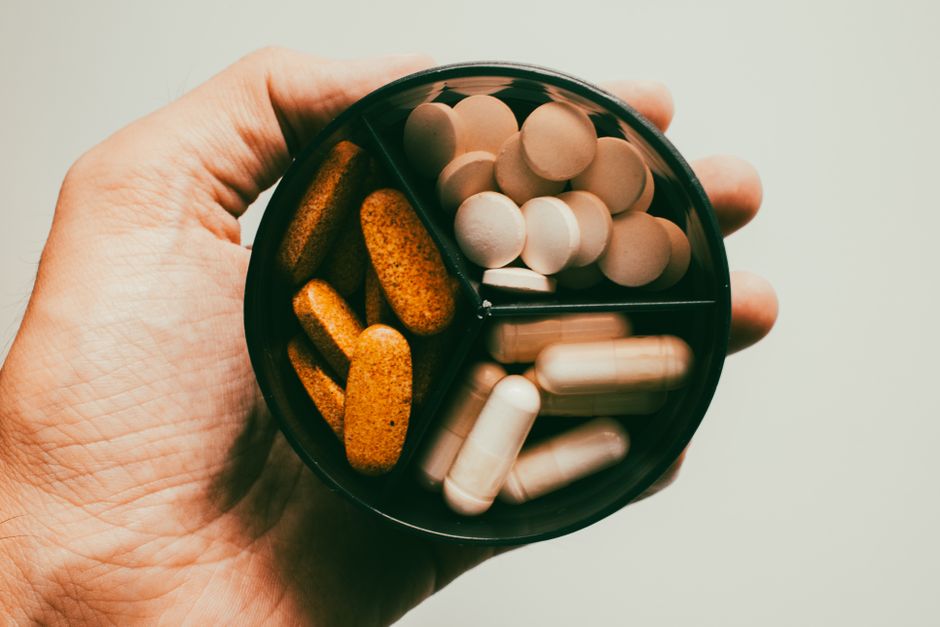
The best daily supplement for constipation depends on what is driving it: psyllium is the fiber with the clearest guideline support, but it can add gas and requires adequate fluids. If fiber worsens bloating or symptoms, do not keep increasing it automatically; compare a gradual fiber trial with polyethylene glycol (PEG) and seek clinical guidance when symptoms persist or suggest an evacuation problem.
What is the best to take daily for constipation if fiber makes me bloated?
If fiber makes you bloated, PEG is a guideline-supported alternative to discuss with a health professional; psyllium remains the fiber supplement with the strongest evidence, but it is not the only over-the-counter approach. The 2023 joint guideline from the American Gastroenterological Association and American College of Gastroenterology conditionally suggests fiber supplements for adults with chronic idiopathic constipation, based on low-certainty evidence. Among evaluated fibers, only psyllium appears effective; evidence for bran and inulin is very limited and uncertain. Flatulence is a commonly observed side effect.
The same guideline gives PEG a strong recommendation with moderate certainty. A meta-analysis of three trials found PEG increased spontaneous bowel movements by 2.30 per week compared with placebo, and response was shown to last up to six months. Those results do not guarantee an individual response, but they make PEG a relevant comparison when fiber causes troublesome symptoms. A health professional can help determine which over-the-counter option fits the situation.
Other fibers have narrower or mixed evidence. In a four-week randomized trial of 180 adults with constipation-predominant IBS, acacia fiber improved stool frequency versus placebo, but stool consistency, stool mass, and quality-of-life measures did not significantly differ. The result applies to that IBS-C study population; it does not prove acacia is a general constipation treatment. A small, four-week trial of partially hydrolyzed guar gum (PHGG) in long-term-care residents found no significant between-group difference in bowel frequency or stool characteristics, though laxative use was lower in the PHGG group in weeks three and four. A separate PHGG study reported faster colonic transit and improved symptoms, so it may be worth discussing, not assuming it works like psyllium for everyone.
Use this comparison to frame a practical conversation. Prices and comparative product costs were not published in the supplied research, so compare local labels and costs without assuming that one type is cheaper.
| Option | Who it may suit | Cost | Key limitation |
|---|---|---|---|
| Psyllium | Adults considering a fiber supplement; it is the fiber with evidence of effectiveness in the 2023 AGA–ACG guideline | not published | Conditional recommendation with low-certainty evidence; flatulence is common, and adequate hydration matters |
| PEG | Adults considering an osmotic option when fiber is poorly tolerated or insufficient | not published | Guideline evidence supports effectiveness, but a health professional can help determine suitability |
| Acacia fiber | People with constipation-predominant IBS discussing a fiber alternative | not published | One trial found better frequency, not significant differences in stool consistency, mass, or quality of life; evidence is not general proof |
| Partially hydrolyzed guar gum (PHGG) | People asking a clinician about a possible alternative fiber | not published | Evidence is mixed, and available trials do not establish equivalence to psyllium across adults |
| Lactulose | People discussing an osmotic option with a health professional | not published | The World Gastroenterology Organisation notes more bloating, flatulence, and abdominal discomfort |
Can psyllium make constipation worse if I do not drink enough water?
Inadequate fluid intake can make a fiber routine harder to tolerate, so psyllium should be considered alongside fluids and total fiber—not as an isolated product. The National Institute of Diabetes and Digestive and Kidney Diseases (NIDDK) advises drinking plenty of water and other liquids when increasing fiber or taking a supplement. It reports a general adult target of 22–34 grams of fiber daily; that total includes food and supplements, not just the product in a scoop.
That range is a general target, not an instruction to add the full amount as a supplement. First take stock of your usual foods and any fiber product already in use. If you increase fiber, ensure fluids are also adequate and track whether bloating, pain, and bowel symptoms change. If symptoms worsen, more fiber is not automatically the answer.
There is a second reason to avoid treating every constipation pattern the same way. The World Gastroenterology Organisation’s 2025 guideline describes slow-transit constipation and defecatory disorders as distinct subtypes. It notes that fiber evidence is lacking for several subtypes, including pelvic-floor dysfunction, and advises avoiding fiber supplements in defecatory disorders and high-fiber diets in intestinal obstruction.
How slowly should I increase a fiber supplement to avoid gas and bloating?
Increase total fiber gradually over weeks rather than days, and hold the pace when symptoms become harder to manage. NIDDK advises adding fiber “a little at a time” so the body can adjust. The World Gastroenterology Organisation’s 2025 guideline recommends gradually moving toward 20–30 grams per day from dietary and/or supplemental fiber over weeks; too-rapid increases can cause gas, bloating, and abdominal cramping. Its range differs from NIDDK’s general adult target, so treat these as guidance from different sources rather than a personalized prescription.
A low-friction trial keeps the signal clear. Write down your baseline diet and supplement use, fluid habits, bowel symptoms, and any changes to the product. Change one factor at a time, then record the same details as you increase slowly; this makes it easier to distinguish a poor fit from a pace that was simply too fast. The acacia IBS-C trial provides one research example of gradual introduction: participants started at 5 g for the first five days, then took 10 g daily. Those study amounts are not a general dosing plan.
Do not keep escalating fiber to meet a number if it is producing worsening symptoms. Reassess the product, pace, and total intake, and discuss a different approach with a health professional when the problem persists. PEG and lactulose are osmotic options with clinical evidence in the World Gastroenterology Organisation guideline, although lactulose is associated with more bloating, flatulence, and abdominal discomfort.
When to stop escalating and seek care
Persistent constipation, rectal bleeding or blood in stool, and continual abdominal pain warrant medical evaluation, according to NIDDK. Severe abdominal pain, vomiting, or suspected intestinal obstruction are not cues to push fiber higher; the World Gastroenterology Organisation advises against high-fiber diets in obstruction. Seek prompt clinical guidance when these warning signs appear.
If symptoms keep returning despite a careful trial, ask whether the pattern suggests slow transit, difficulty evacuating, or another issue. NIDDK notes that biofeedback may be recommended when bowel-control muscles are involved. The World Gastroenterology Organisation says evaluation may include anorectal manometry or colonic transit studies—tests that assess different parts of the process rather than simply measuring how much fiber is consumed.
Frequently Asked Questions
Are acacia fiber or partially hydrolyzed guar gum alternatives to psyllium?
They are possible options to discuss, but the evidence does not establish them as equivalent substitutes for psyllium. A four-week trial in adults with constipation-predominant IBS found improved stool frequency with acacia, while PHGG studies have mixed findings and limited generalizability.
Should I stop taking fiber if my constipation and bloating get worse?
Worsening symptoms are a reason to pause before increasing the amount and review the product, pace, fluids, and overall fiber intake. Persistent constipation or abdominal pain, rectal bleeding, or blood in stool warrants medical evaluation; severe pain, vomiting, or suspected obstruction needs prompt care.
When could pelvic floor problems or slow digestion mean that more fiber will not help?
Slow-transit constipation and defecatory disorders are distinct constipation subtypes, and fiber evidence is lacking for some of them. The World Gastroenterology Organisation advises against fiber supplements in defecatory disorders; a clinician may evaluate with tests such as anorectal manometry or colonic transit studies.
Sources
- American Gastroenterological Association and American College of Gastroenterology
- National Institute of Diabetes and Digestive and Kidney Diseases
- World Gastroenterology Organisation
- European Journal of Nutrition acacia fiber trial
- Journal of the American Geriatrics Society PHGG trial
- Digestive Diseases and Sciences PHGG study
Disclaimer: This article is for general information only and is not medical advice. It is not a substitute for diagnosis or treatment by a qualified healthcare professional. Always speak to your doctor before acting on anything you read here.

What Are the Best Supplements to Take?
The best supplements depend on diet, health risks, and confirmed nutrient gaps; there is no universal daily stack.

Walmart Drinking Water: Choose the Right Type and Pack Size
Compare Walmart drinking water by label type, source details, and price per gallon to choose a pack size for your needs.

Choose the Right Mower for Your Acreage and Terrain
Match mower type and deck width to your maintained acreage, terrain, vegetation, access, and budget.

Are Protein Shakes a Good Idea for Seniors Who Do Not Eat Much?
How protein drinks, smoothies, and soft foods can support older adults with low appetite—and when fullness, weight loss, or kidney disease calls for care.