
What Are the Best Backyard Transformation Ideas?
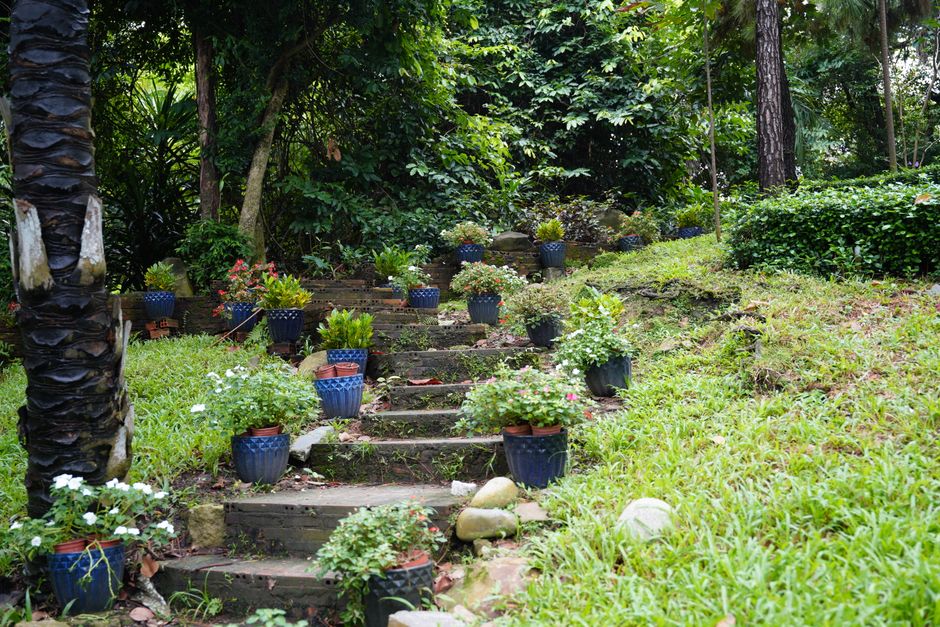
The best backyard transformation ideas match your space, budget, and upkeep capacity: define how you will use the yard, keep useful features, then prioritize planting, lighting, seating, paths, and a focal point. Start with low-cost changes and add larger work in stages. Choose plants and materials for site conditions so the finished space stays cohesive and manageable.
What are some ideas for transforming my backyard?
Start with the activities your household will actually do outside, then shape the yard around them. A seating area, a clear route across the garden, useful planting, and one focal point can form a complete plan without treating every corner as a separate project.
Use this numbered sequence to weigh impact against effort:
- Keep and edit what works. Retain useful trees, fences, paths, and hardscape. Simplify crowded planting or move and divide plants before buying replacements.
- Define one activity zone. Set aside space for dining, play, pets, or quiet seating. Penn State Extension's guidance on creating outdoor rooms begins with household activities and existing features.
- Add a focal point. A focal plant or container can give the eye a place to rest. Keep its scale suited to the mature size of nearby plants.
- Improve paths and edges. Paths and distinct ground materials can make zones easier to read and connect them into one layout.
- Layer in seating and lighting. Place seating where it serves the chosen activity. Lighting can make a route or gathering area more useful after daylight.
- Finish with planting suited to the site. Check light, soil, drainage, and planting space before choosing plants. The University of Minnesota Extension advises matching plants to growing conditions to reduce stress and replacement.
Unity comes from repetition, not from buying a matching set. Penn State Extension recommends consistent hardscape materials, recurring colors or forms, and modest changes over time. Repeating a plant or material helps separate areas feel related.
What are some cheap ways to upgrade my backyard?
The cheapest upgrades use what is already there: edit planting, move or divide suitable plants, clear paths, and rearrange seating before buying new materials. These steps also reveal what the yard still needs.
For a modest DIY phase, choose one focal plant or container, define a small seating area, or improve a path with a material suited to the site. Avoid buying plants before checking their light and soil needs; a low purchase price does not make a plant economical if it performs poorly and needs replacement.
Water use belongs in the budget. Oregon State University Extension reports that water-saving landscape guidelines can reduce landscape water use by 35% to 75%. Its guidance also says a 3-to-5-inch mulch layer can reduce soil-water evaporation by up to 70% compared with bare soil. These results depend on applying suitable practices to the yard, rather than treating mulch as a substitute for good plant choice.
New trees, shrubs, and groundcovers need extra attention during their first, second, and sometimes third growing seasons, according to Oregon State. A low-cost planting plan can therefore carry a higher early watering burden. Group plants by irrigation needs and choose a planting area you can maintain.
How much does it cost to transform a backyard?
Backyard costs depend on the project, location, materials, and condition of the property; the available national figures are reference points, not local estimates. The National Association of REALTORS® Research Group's 2023 Remodeling Impact Report gives these representative figures:
| Project | Reported cost | Estimated cost recovery |
|---|---|---|
| Landscape maintenance | $4,800 | 104% |
| Overall landscape upgrade | $9,000 | 100% |
| 18-by-16-foot paver patio | $10,500 | 95% |
The report's cost recovery estimates describe resale figures, not a guaranteed return or a quote for a particular home. It says project design, material quality, location, home condition, and homeowner preferences influence both costs and recovery. The patio and landscape figures also do not include every possible combination of planting, lighting, seating, and paths.
Separate the first-year cost from the ongoing one. A planted area brings watering and mulching needs; a lawn or other maintained space brings mowing, while shrubs can require pruning. Correct plant placement can reduce replacement, and correctly installed hardscape can help prevent later problems such as cracking or failing walls, according to University of Minnesota Extension.
For a staged plan, set a spending limit for the first phase, price materials and labor locally, then reserve later phases for features that remain useful after the initial work. The NAR report found that 40% of consumers completed the entire outdoor project themselves, while 37% hired a professional for the whole job. The right split depends on the work and the homeowner's capacity.
What backyard ideas work in a small space?
Small yards work best when each area has a clear job and the layout avoids competing features. Use a compact seating zone, a simple path, and planting chosen for the available light and mature size.
Distinct ground materials can mark separate uses, while a path or matching planters can connect them. Penn State Extension's outdoor-room guidance notes that enclosure from fences, planting beds, or containers can focus views into smaller sections and make a landscape feel larger. The goal is a readable layout, not a collection of tiny rooms.
In a tight yard, favor elements that do more than one job: a container can mark an edge and hold a focal plant; a path can provide access and structure; a seating area can also define the main gathering zone. Keep sightlines and access clear before adding another feature.
Water and upkeep matter in small spaces too. Group plants with similar irrigation needs and use permeable patio or walkway materials where appropriate, as Oregon State Extension recommends. If regular watering or pruning will not fit the household's routine, choose a simpler planting plan.
Frequently Asked Questions
How can I make my backyard look better without replacing everything?
Keep useful trees, paths, patios, and structures, then simplify planting areas and add a focal plant or container. Penn State Extension recommends making modest changes over time and using repetition to build unity.
What are the current backyard design trends?
The sources provided do not track current design trends. They do support durable design principles: create outdoor areas around real activities, use consistent materials and repeated colors or forms, and select plants suited to the site.
Which backyard projects make the biggest visual difference?
A clear activity zone, a focal point, and defined paths or planting edges can change how the yard reads without requiring a full rebuild. The NAR report also found high homeowner satisfaction scores for landscape lighting and a new patio.
How do I combine different backyard ideas so the space looks cohesive?
Choose a small set of related materials, colors, and forms, then repeat them across zones. Use paths, matching planters, or consistent ground materials to connect seating, planting, and play areas.
Sources
- National Association of REALTORS® Research Group, 2023 Remodeling Impact Report: Outdoor Features
- University of Minnesota Extension, Lawns and landscapes in Minnesota
- Penn State Extension, Principles of Garden Design
- Penn State Extension, Creating Outdoor Rooms
- Oregon State University Extension Service, Conserving water in your yard and garden

Are Protein Shakes a Good Idea for Seniors Who Do Not Eat Much?
How protein drinks, smoothies, and soft foods can support older adults with low appetite—and when fullness, weight loss, or kidney disease calls for care.
Choose the Right Mower for Your Acreage and Terrain
Match mower type and deck width to your maintained acreage, terrain, vegetation, access, and budget.

Should Adults Over 70 Get Tested for Vitamin B12?
Learn how age, diet, medicines, and symptoms can shape whether adults over 70 discuss B12 testing or supplementation with a healthcare professional.