
How Do I Buy Directly From a Chinese Factory?
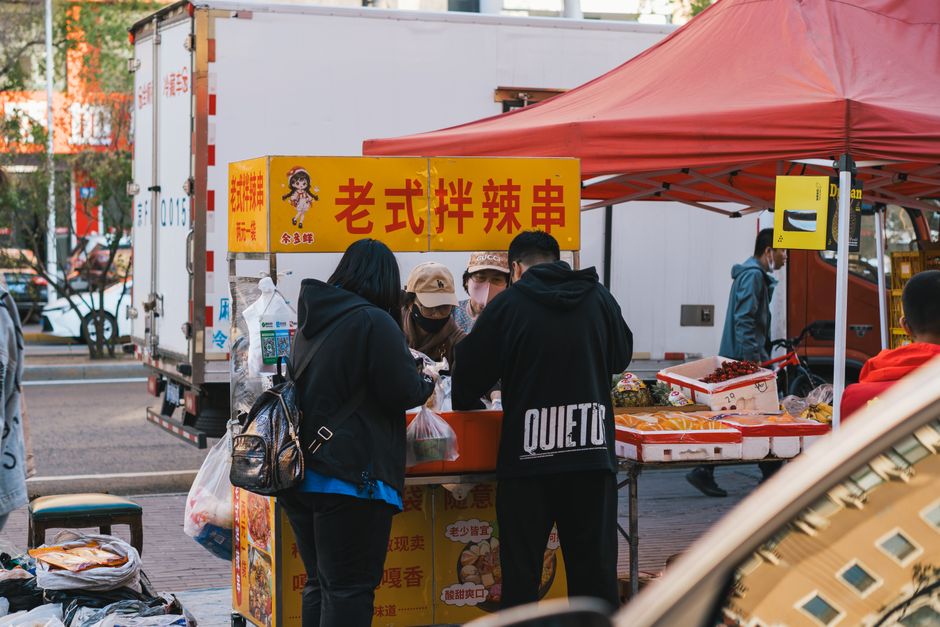
To buy directly from a Chinese factory, verify the supplier beyond its platform badge, request and approve a sample, put product specifications and inspection terms in a detailed purchase order, and use a protected payment method when eligible. Agree on an Incoterm that makes costs and risk clear, then calculate landed cost with freight, duties, clearance, broker, and delivery charges included.
How can I tell whether an Alibaba supplier is a real factory or a trading company?
You cannot establish that a supplier manufactures your specific product from a badge alone; ask for evidence tied to the product and the facility that will make it. A badge tells you what checks were performed, not necessarily who will produce your order.
Alibaba says a Gold Supplier has been verified by a third-party institution as a legally registered business. A Verified Supplier has had its company profile, management, production capabilities, product, and process assessed, certified, and/or inspected by third parties. Those are useful screening signals, but neither badge by itself proves the seller is the factory making the item you want.
Use a short verification script and ask for concrete, consistent answers:
- Identify the producer: “Will your company manufacture this product, or will another company make it? Please identify the production site.”
- Connect evidence to the item: “Which production capabilities and processes apply to this exact product?”
- Check documentation: “Can you provide the company and product information needed for our verification and shipping documents?”
- Keep a record: Put questions, answers, specifications, and order changes in Alibaba’s Message Center.
For higher-stakes orders, an independent company profile can add depth. The U.S. International Trade Administration’s full International Company Profile can include company and product background, key officials, references, financial and creditworthiness information, reputation information, a site visit, and interviews with company principals. Its stated full-profile rates are $700 for eligible small companies, $1,200 for medium companies, and $2,000 for large companies; eligibility is limited to qualifying U.S. companies and organizations. A partial profile uses publicly available information, with listed rates of $150, $350, or $450 according to company size.
Should I order a sample before placing a bulk order?
Yes: order and approve a sample before committing to a bulk order, then make the approved sample and written specifications the reference for production. Sampling gives you a chance to catch a mismatch before it is multiplied across the order.
Alibaba explicitly recommends requesting a sample to ensure the product meets your specifications before placing the full order. Define what “matches” means in writing: materials, dimensions, construction, finish, components, packaging, labeling, and any product-specific requirements. Avoid relying on a broad phrase such as “good quality.” Replace it with details the parties can check.
For example, write: “The bulk order must match the approved sample and the attached product specification. Please confirm any proposed substitution in writing before production.” Keep the sample approval and specification attached to or referenced by the purchase order, along with quantity, price, production timing, shipment terms, and how defects or deviations will be handled.
Inspection is a separate control from sampling. A sample checks a representative item before the order; production monitoring or pre-shipment inspection checks whether the actual order follows the agreement. Alibaba recommends using a detailed purchase order and arranging monitoring or inspection. Agree in advance on who inspects, when the inspection happens, what requirements will be checked, and what happens if the goods do not meet them.
What payment method offers protection when buying from China?
For eligible orders, Alibaba Trade Assurance offers platform protections when you pay through Alibaba.com; keep the order and its communications on the platform. Protection depends on the order’s eligibility and terms, so review those details before paying.
Do not separate payment from the written agreement. The purchase order should match the product, approved sample, quantity, price, delivery term, and agreed milestones. Keep revisions and confirmations in Alibaba’s Message Center, as Alibaba advises, so the order record reflects what was actually agreed.
Before sending money, use a compact confirmation message: “Please confirm the attached specification, approved sample reference, quantity, total price, shipment term, payment schedule, inspection plan, and documents required. We will proceed through the eligible Alibaba.com order.” This makes a missing term visible while it can still be corrected.
Compare the seller’s shipping proposal by asking who pays each cost and who bears risk at each stage. Incoterms® 2020 contains 11 rules allocating costs, risks, and obligations between buyer and seller. The International Chamber of Commerce explains that the rules consolidate costs in articles A9/B9, which helps you identify the expected responsibilities for the chosen term.
| Term detail to check | Why it matters |
|---|---|
| Transport mode and named destination | Confirms where the agreed delivery responsibility applies and whether the rule fits the shipment. |
| Freight, handling, and clearance costs | Shows which charges are included in the seller’s offer and which may arrive separately. |
| Risk transfer and insurance | Clarifies who bears risk during transit and what insurance coverage is specified. |
| Import duties and final delivery | Prevents mistaking a transport quote for a complete delivered cost. |
Check the exact rule rather than assuming all shipping terms include the same protection. The ICC notes that CIF is for maritime trade and defaults to Institute Cargo Clauses (C) insurance coverage, while CIP requires the higher Institute Cargo Clauses (A) level or similar. Ask the seller or freight forwarder to identify the named place, included services, and insurance terms in writing.
Frequently Asked Questions
How do I calculate shipping, customs duties, and the total landed cost?
Start with the product and freight amounts, then add applicable customs duty, processing and clearance charges, broker fees, handling, and delivery costs. Duty depends on accurate product details, classification, and country of origin; confirm documentation and requirements with your customs broker or freight forwarder.
For U.S. imports, CBP says the Harmonized Tariff System provides duty rates, but classification depends on details such as product composition, construction, and country of origin. Its tariff database gives an approximate rate only as accurate as the information entered, and CBP makes the final duty determination. CBP also notes that a purchase price including shipping and handling generally does not include customs duty or customs-clearance costs.
When should I hire a third-party inspection company?
Arrange inspection or production monitoring when the order’s quality or specifications need independent verification, and agree on the timing and criteria before production is complete. Some destinations or products require pre-shipment inspections, so confirm requirements with your buyer, shipper, broker, or freight forwarder.
The International Trade Administration lists commercial invoices, bills of lading, and packing lists among commonly used shipping documents; product- or destination-specific requirements may call for additional certificates or inspections. Build document checks into the shipment plan, not into a last-minute scramble.
Sources
- Alibaba Buyer Central
- U.S. Department of Commerce, International Trade Administration: International Company Profile
- International Chamber of Commerce: Incoterms® 2020
- U.S. Customs and Border Protection: Determining Duty Rates
- U.S. Customs and Border Protection: Internet Purchases
- U.S. Department of Commerce, International Trade Administration: Special Documents

Where Can Black Business Owners Find Funding Besides Grants?
Compare CDFIs, SBA lenders, banks, and online financing, with practical steps for applying when credit or collateral is limited.
How to Order Custom Bakery Boxes in Small Quantities
Compare low-quantity custom bakery box options, full-run costs, storage trade-offs, and food-contact checks before ordering.