
How to Compare Hearing Aids in 2026: Fit, Phones and Cost
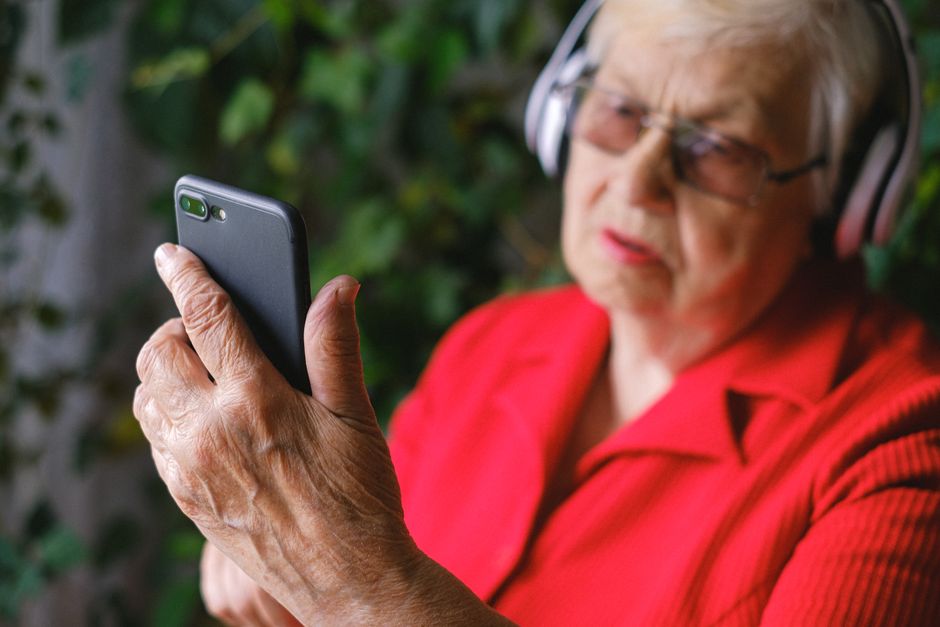
Compare hearing aids by matching the device to your hearing loss, checking real-world fit and follow-up support, and confirming compatibility with your exact phone. OTC models are intended for adults with perceived mild to moderate hearing loss; prescription care adds clinician programming and fitting. Ask about return terms and streaming-related battery performance before you buy, because neither phone compatibility nor battery life is universal.
What should I look for when buying a hearing aid in 2026?
Start with the right care pathway, then test fit, speech benefit, phone pairing, and support. The lowest price is not a useful comparison if the device is wrong for your hearing loss or you cannot get it adjusted.
The FDA says OTC hearing aids are for adults 18 and older with perceived mild to moderate hearing loss, and are not intended for severe or profound loss. Prescription devices are programmed by a licensed hearing professional and may be appropriate across degrees of hearing loss and ages, depending on their indications. Symptoms such as sudden hearing changes, ear pain or fluid, vertigo, worse hearing in one ear, or one-sided ringing or buzzing call for medical assessment rather than a shopping decision.
Next, look for verification and follow-up. ASHA describes real-ear measurement as the gold standard for checking whether amplification is appropriate for your hearing loss. A fitting should also check comfort and settings, explain care and charging, and arrange follow-up. Pain or whistling feedback is a reason to contact an audiologist promptly; some adjustment time is normal, but persistent discomfort deserves attention.
Use a short comparison checklist while talking to a seller or clinician:
- Fit: Ask how comfort and settings are checked, and who can adjust them.
- Speech clarity: Ask what support is available if conversation remains difficult after initial setup.
- Phone: Confirm your exact phone model and operating system with the hearing-aid manufacturer or provider.
- Battery: Ask how calls and media streaming affect expected use for that specific device.
- Exit terms: Read the return policy and confirm the testing period. The FDA does not require an OTC hearing-aid warranty.
Allow time to try a device in different environments, as the FDA advises. Record where speech is clear, where it is not, and whether comfort changes over the day. That gives a provider actionable information instead of a vague report that the aid “doesn’t work.”
Are OTC hearing aids as good as prescription hearing aids?
OTC hearing aids can help eligible adults, but a clinician-fitted service model achieved better average results in a recent randomized trial. The comparison does not mean every prescription device will outperform every OTC product; it shows that fitting and support are part of the value.
In a trial reported by JAMA Otolaryngology–Head & Neck Surgery, 245 adults older than 55 with mild to moderate hearing loss completed comparisons of audiologist best-practice fitting, supported OTC, and self-directed OTC service models. At seven weeks, the audiologist-fitted group’s global hearing-benefit score was 0.33 points higher than supported OTC and 0.32 points higher than self-directed OTC on a one-to-five scale; both differences were statistically significant.
The OTC groups still had generally positive outcomes, with scores near four, and did not differ significantly from each other. The trial also found no significant outcome difference between its high-end and low-end devices. But its OTC devices were simulated using prescription hearing aids, which limits how confidently the results transfer to every OTC product now on sale. The practical read: OTC can be a reasonable route for the intended user, while professional fitting may add measurable benefit.
Compare the care you receive, not just the label on the box. Supported OTC may offer guidance; self-directed OTC puts more setup and troubleshooting on you. Prescription care includes programming by a licensed hearing professional, and a fitting process can verify settings and plan follow-up. The FDA’s OTC guidance also recommends checking return terms and testing the device in different environments. For a cost-conscious choice, ask what assistance is included and what happens if the first settings are uncomfortable or speech remains unclear.
| Option | Who it suits | Cost | Key limitation |
|---|---|---|---|
| Self-directed OTC | Adults 18+ with perceived mild to moderate hearing loss and no concerning symptoms | not published | Setup and adjustments are self-directed; trial evidence used simulated OTC devices |
| Supported OTC | Adults with mild to moderate loss who want an OTC service model with support | not published | In the trial, outcomes were positive but below audiologist best-practice fitting on average |
| Prescription hearing aids with audiologist fitting | People whose hearing needs call for clinician programming; may be appropriate across degrees and ages depending on device indications | not published | Benefit depends on appropriate device selection, fitting, and follow-up |
Which hearing aids stream reliably to Android and iPhone?
No source here establishes a specific hearing-aid model as reliably compatible with every Android phone and iPhone; verify the exact pairing before purchase. Phone compatibility depends on the hearing aid’s wireless approach and support from the phone, so “Bluetooth” on a product listing is not enough to settle the question.
The ASHA Leader explains that many hearing aids use platform-specific Bluetooth Low Energy approaches, while Bluetooth LE Audio is intended to offer a standard streaming protocol across compatible devices. LE Audio supports direct one-to-one streaming and broadcast uses such as Auracast. However, support varies across hearing aids, phones, and public transmitters, and compatible devices will take time to appear.
Take this script into the store or support chat: “I use this exact phone model and operating system. Can you confirm direct streaming for calls and media, and tell me whether any features require a particular phone platform?” Then ask whether the answer applies to your specific hearing-aid model, not just the product family. ASHA also recommends checking smartphone compatibility and discussing Bluetooth, TV accessories, and remote microphones when choosing devices.
Battery performance is another model-specific question. A 2013 laboratory comparison from AudiologyOnline tested six high-end wireless models with size-312 batteries. Streaming more than doubled current consumption in some compared with normal use. Measured everyday-use consumption differed from manufacturers’ data-sheet figures by 7% to 62%, while streaming results differed by 2% to 74%. Those older tests show why streaming effects vary; they do not predict the runtime of current hearing aids.
Frequently Asked Questions
How much does Bluetooth streaming reduce hearing aid battery life?
There is no single reduction that applies to every device. A laboratory comparison of six wireless models found that streaming more than doubled current consumption for some devices, but the tests used older high-end models and do not predict battery life for current products. Ask the manufacturer about streaming performance for the exact model you are considering.
When should I see an audiologist instead of trying an OTC hearing aid?
Seek medical assessment for sudden hearing changes, ear pain or fluid, vertigo, worse hearing in one ear, or one-sided ringing or buzzing. OTC devices are intended for adults with perceived mild to moderate hearing loss; prescription hearing aids can be programmed for a person's hearing loss and may suit a broader range of degrees and ages, depending on device indications. If an OTC device provides no benefit, consult a hearing professional.
Before choosing, write down your hearing concerns, phone model, and typical use of calls or media. Ask the seller or clinician to confirm fit support, exact compatibility, return terms, and streaming battery expectations. Those answers make the comparison concrete—and give you a clear next step if the first setup falls short.
Sources
Laser Welder Cost: Price the Machine and a Safe Setup
Compare listed laser-welder prices with power, gas, consumables, accessories, and safety requirements before you buy.
How to Compare Phone Deals by Their Total Cost
Compare phone sales by adding plan costs, fees, trade-in credits, and unlock conditions—not just the advertised device price.